
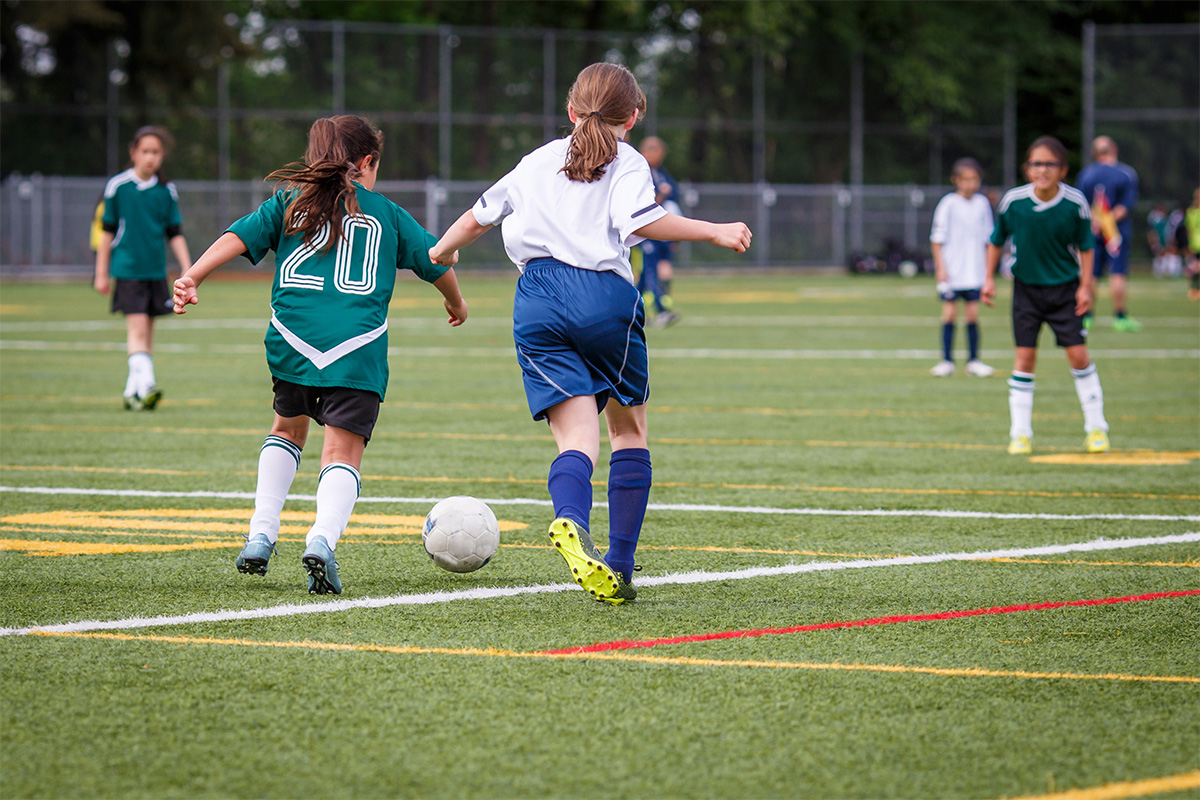
Physical Therapy for ACL injuries: The 3 Most Common Problems Young Athletes Have and 5 Ways Physical Therapy Helps
Summary
This article emphasizes the role of physical therapy in addressing ACL injuries, particularly among young athletes. It outlines common challenges during recovery, such as the risk of re-injury, mental barriers like fear of re-injury, and muscle weakness or imbalance. The article also highlights five key prevention strategies, including strength training, neuromuscular exercises, proper technique, dynamic warm-ups, and core stability training. These approaches aim to rebuild strength, improve balance, and reduce the likelihood of future ACL injuries, all while ensuring safe recovery through professional guidance.
What is an ACL Tear?
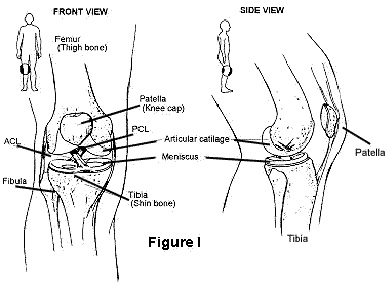
The ACL (anterior cruciate ligament) is a key ligament in the knee, connecting the femur (thighbone) to the tibia (shinbone).
In an ACL tear:
- The ligament is stretched or completely torn, usually in the middle or where it attaches to the bones.
- Swelling, pain, and instability in the knee often follow.
- The injury commonly occurs during sports involving sudden stops, pivots, or changes in direction.
ACL Injury Statistics
ACL injuries are influenced by both age and sex. Here are three key statistics:
- Age: ACL injuries are most common among individuals aged 15 to 30 years, particularly those actively involved in sports. The incidence increases during adolescence and peaks in early adulthood.
- Sex: Female athletes are at a higher risk of ACL injuries compared to males, especially during high school and college years. This is due to factors like anatomical differences, hormonal influences, and biomechanics.
- Children and Adolescents: ACL injuries are rare before the age of 10 but increase significantly between 11 to 17 years, with girls experiencing a higher rate of injuries during this period.
3 Most Common Problems for ACL Recovery, and How Physical Therapy Helps
Recovering from an ACL injury can be challenging, especially for young athletes. Here are three common problems young athletes often face:
- Re-injury Risk: Young athletes may feel eager to return to sports too soon, which increases the risk of re-injuring the ACL or other parts of the knee. That’s why your physical therapist is an important part of guiding you through your rehabilitation and helping you adhere to recovery timelines.
- Mental Barriers: Physical therapists are trained extensively to help you manage the mental barriers associated with ACL injuries. Your physical therapist will provide strategies for helping you deal with the fear of re-injury or lack of confidence in your knee’s stability.
- Muscle Weakness and Imbalance: After an ACL injury, the muscles around the knee, particularly the quadriceps and hamstrings, may weaken. This can lead to imbalances that affect your movement and increase the risk of further injuries. Targeted physical therapy for ACL injuries is essential for rebuilding your strength and balance.
5 Ways Physical Therapy Can Help Prevent ACL Injuries
Preventing ACL injuries involves a combination of strengthening, training, and awareness. Here are some effective strategies:
- Strength Training: Focus on building balanced strength in the quadriceps, hamstrings, and glutes. Exercises like squats, lunges, and hamstring curls can help stabilize the knee.
- Neuromuscular Training: Programs that improve coordination, balance, and body mechanics are highly effective. These include agility drills, plyometric exercises, and proprioception training.
- Proper Technique: Learning and practicing correct techniques for jumping, landing, and pivoting can reduce stress on the ACL. For example, landing softly with knees bent and aligned can minimize injury risk.
- Dynamic Warm-Ups: Incorporate warm-ups that include dynamic stretches and movements to prepare the muscles and joints for activity.
- Core Stability: A strong core provides better control over body movements, reducing the likelihood of awkward landings or sudden shifts that can strain the ACL.
- Rest and Recovery: Overtraining can lead to fatigue, which increases the risk of injury. Adequate rest and recovery are essential.
Frequently Asked Questions About ACL Injuries and Physical Therapy
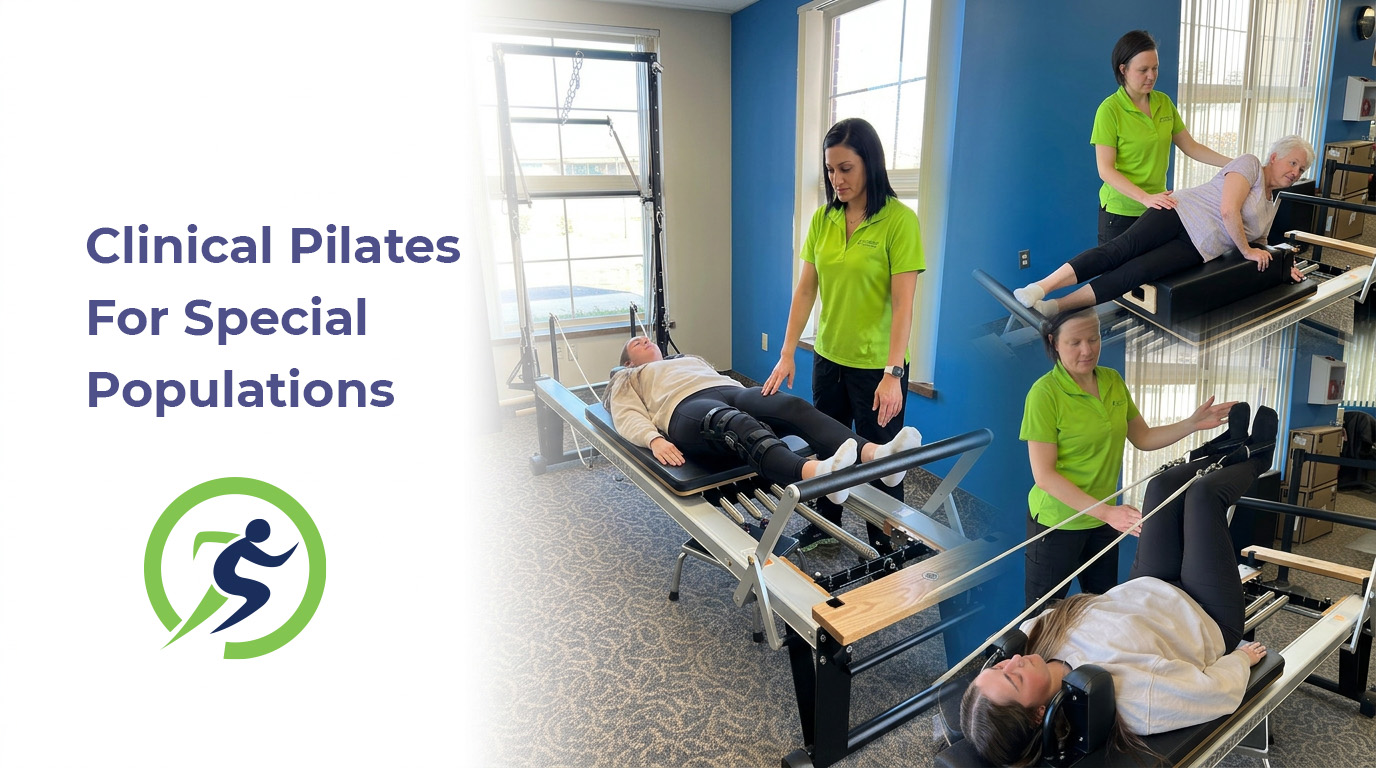
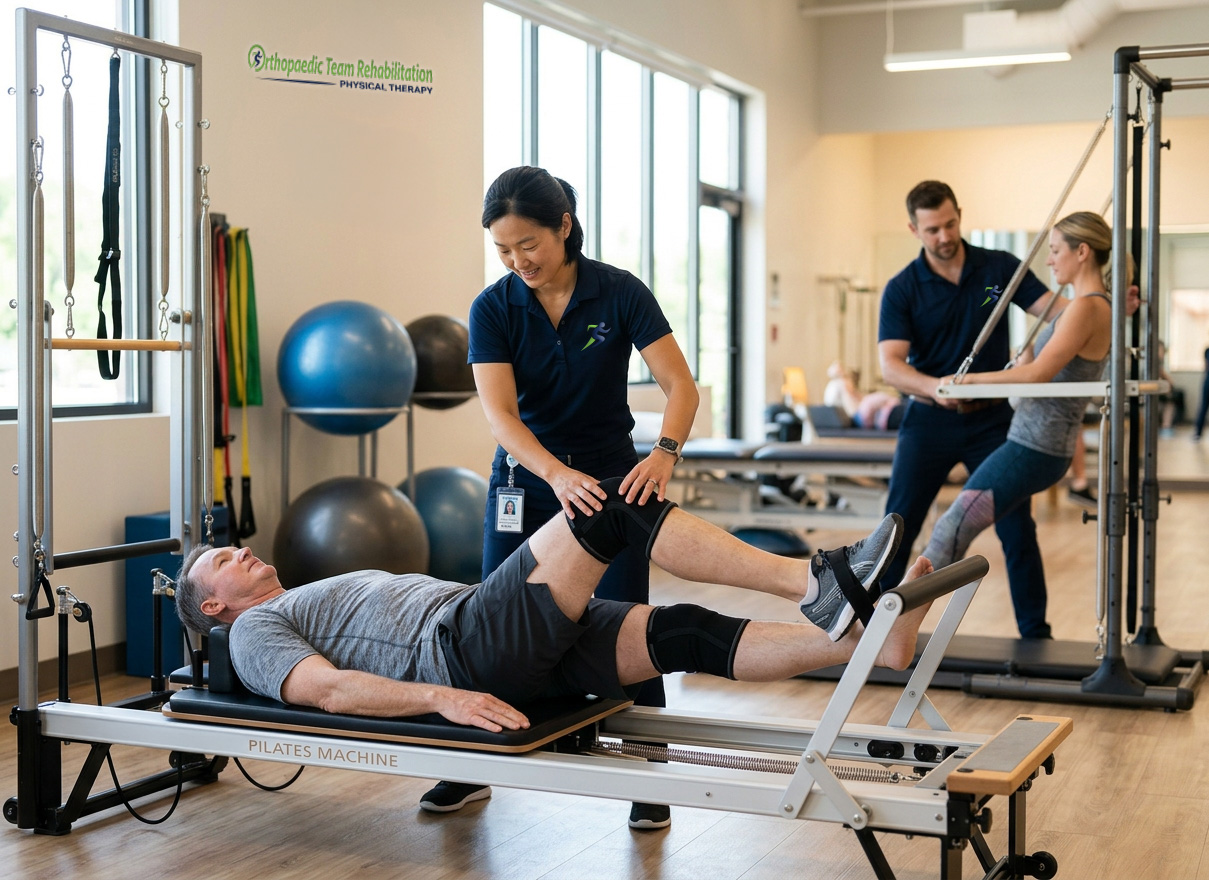
Clinical Pilates may benefit individuals who:
- Are recovering from surgery or injury
- Have chronic back, neck, or joint pain
- Want to improve balance and reduce fall risk
- Have osteoporosis or osteopenia
- Are pregnant or recovering after childbirth
- Have neurological conditions affecting movement
- Want to safely improve strength, flexibility, and mobility
Physical therapy can be beneficial for many people experiencing chronic knee pain because it focuses on improving the factors that often contribute to ongoing symptoms. Rather than simply treating pain itself, physical therapists evaluate strength, flexibility, balance, movement patterns, and daily activities that may be placing excessive stress on the knee. Treatment plans are customized to address the individual’s specific limitations and goals. Over time, improvements in strength and movement quality can reduce strain on the joint and improve overall function. While results vary depending on the underlying cause of the pain, many patients experience meaningful improvements in comfort, mobility, and confidence with consistent participation in therapy.
In most cases, complete rest is not necessary. Instead, it is often more beneficial to temporarily reduce or modify activities that aggravate symptoms while staying active through lower-impact options such as cycling, swimming, or strength training. Physical therapy can help you gradually return to walking, running, and other activities without repeatedly irritating the plantar fascia.
Plantar fasciitis is one of the most common causes of heel pain. It occurs when the plantar fascia—the thick band of tissue that supports the arch of the foot—becomes irritated or overloaded. Symptoms often include sharp pain with the first steps in the morning, after sitting for long periods, or following prolonged standing and walking. A healthcare professional can usually diagnose plantar fasciitis through a medical history and physical examination without the need for imaging.
Yes. Treatment programs focus heavily on strengthening the muscles that support the knee while improving balance, joint control, coordination, and movement mechanics.
Physical therapy often begins soon after injury or surgery to address swelling, restore motion, improve strength, and begin safe rehabilitation under professional supervision.
An ACL sprain involves stretching or partial damage to the ligament, while a complete tear involves full rupture of the ligament fibers and often results in significant instability.
Without proper rehabilitation, ACL injuries may contribute to ongoing instability, weakness, decreased athletic performance, reduced mobility, and an increased risk of future knee injuries or osteoarthritis.
Prehabilitation, or “prehab,” refers to physical therapy performed before ACL surgery to improve strength, reduce swelling, restore motion, and prepare the knee for a smoother postoperative recovery.
Physical therapists use injury prevention strategies focused on improving landing mechanics, muscle strength, balance, coordination, flexibility, and movement control to reduce reinjury risk.
ACL injuries commonly occur in sports such as soccer, basketball, football, volleyball, skiing, lacrosse, and other activities involving jumping, pivoting, and rapid changes in direction.
Yes. Sports physical therapy often includes progressive agility training, balance work, plyometrics, strength development, movement retraining, and functional testing to help athletes safely return to activity.
Strengthening the muscles surrounding the knee, hips, and core helps improve joint stability, reduce stress on the knee, and support safer movement during activity and sports participation.
Recovery timelines vary depending on the severity of the injury and whether surgery is performed. Many patients participate in rehabilitation for several months to restore strength, function, and safe return-to-sport performance.
Physical therapy may include range of motion exercises, strength training, swelling management, balance exercises, gait training, mobility work, and sport-specific rehabilitation programs designed to safely progress recovery.
Not always. Some partial tears or lower-demand patients may recover with a conservative rehabilitation program focused on strength, stability, and movement training. Treatment recommendations depend on activity level, knee stability, and injury severity.
Yes. Physical therapy plays an important role in ACL rehabilitation by helping patients restore strength, mobility, balance, knee stability, and overall function before and after surgery.
Common symptoms may include a popping sensation in the knee, swelling, instability, pain, reduced range of motion, difficulty walking, and trouble participating in sports or physical activity.
The ACL, or anterior cruciate ligament, is one of the major stabilizing ligaments in the knee. ACL injuries commonly occur during sports that involve sudden cutting, pivoting, jumping, or rapid direction changes.

Leave A Comment