
Articles



Frequently Asked Questions
- Balance & Fall Prevention
- Bone Health & Osteoporosis
- Clinical Pilates
- Foot & Ankle Pain
- Headaches & Migraine Relief
- Knee Pain
- Physical Therapy
- Physical Therapy for Wellness & Prevention
- Senior Health and Wellness
- Sports Injuries
Calf raises are often helpful when introduced gradually. They strengthen the calf muscles, Achilles tendon, and other structures that support the foot during walking and standing. However, doing too much too soon can aggravate heel pain. A physical therapist can help determine the right progression based on your symptoms and activity level.
Night splints hold the foot in a position that keeps the plantar fascia and Achilles tendon lengthened while you sleep. They may be helpful for people with strong first-step pain in the morning. Clinical practice guidance recommends a one- to three-month night splint program for people who consistently have morning first-step pain. (orthopt.org) Some people need time to get used to wearing one, so comfort and fit matter.
Yes. Tension headaches are typically described as a dull, pressure-like pain, while migraines may include throbbing pain, nausea, light sensitivity, and more severe neurological symptoms. A healthcare professional can help determine the cause of headache symptoms.
Without proper rehabilitation, ACL injuries may contribute to ongoing instability, weakness, decreased athletic performance, reduced mobility, and an increased risk of future knee injuries or osteoarthritis.
Yes. Physical therapy can be adapted for people of all ages, including children with developmental or movement challenges and younger adults recovering from injuries or working toward fitness goals.
Yes. Postnatal Clinical Pilates can help rebuild core strength, improve posture, restore mobility, and address the physical demands of lifting, carrying, feeding, and caring for a new baby. Programs should be tailored to each individual’s recovery and healing process.
Clinical Pilates may help improve core control, posture, breathing mechanics, flexibility, and movement awareness, all of which can contribute to better spinal support. Many people find that a carefully progressed Pilates program helps them return to daily activities with greater comfort and confidence.
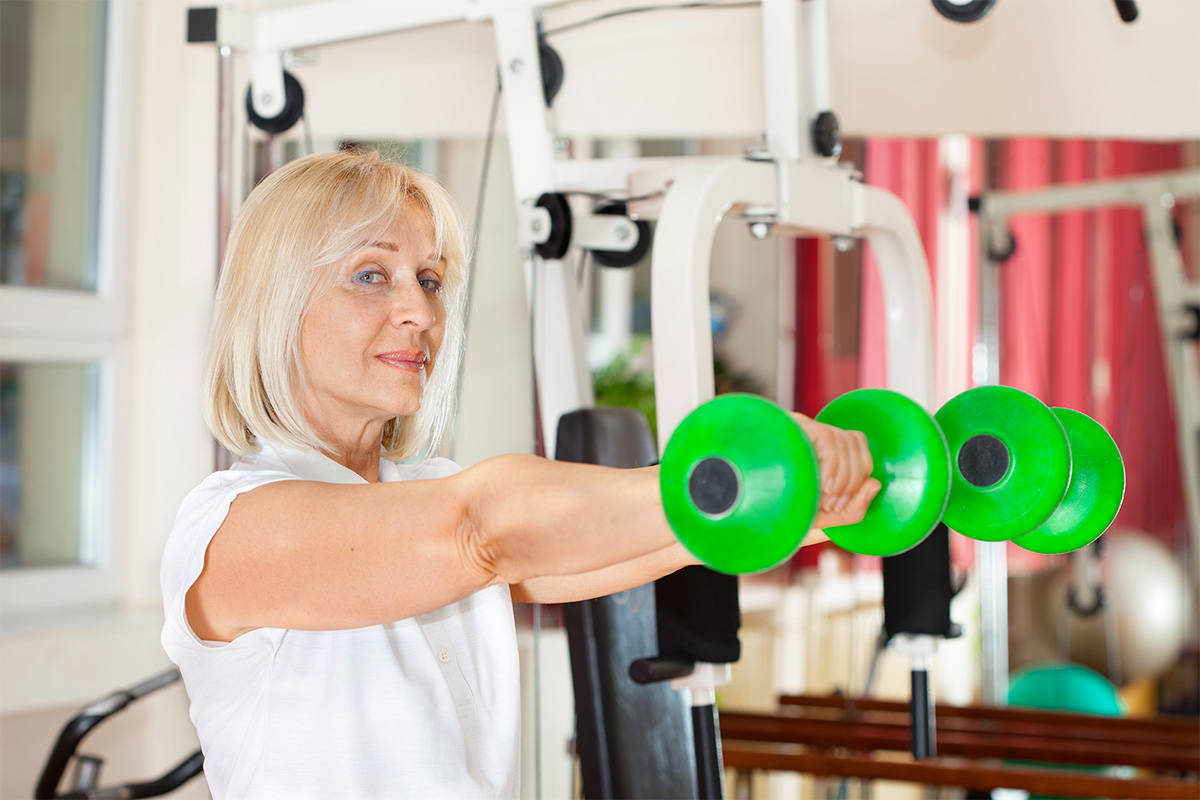
Yes. Weight-bearing and resistance exercises may help support bone health, muscle strength, balance, and mobility while reducing the likelihood of falls and fractures when performed appropriately.
Yes. Weight-bearing and resistance exercises may help support bone density, muscle strength, and overall physical function when performed safely and consistently.
Often, yes, once you have received appropriate medical clearance. Clinical Pilates can be incorporated into rehabilitation following many orthopedic and other surgical procedures to help rebuild strength, restore mobility, improve coordination, and support a gradual return to normal activities.
Absolutely. Clinical Pilates can help older adults improve strength, balance, flexibility, posture, coordination, and confidence with movement. Exercises can be modified to accommodate mobility limitations while supporting independence and fall prevention.
Yes. Although osteoarthritis (OA) and osteoporosis (OP) were once believed to be separate conditions, research now shows they can coexist. Patients with osteoarthritis may still have weakened or fragile bones despite showing higher bone density on imaging studies.
Yes. Physical therapy can help individuals recover strength, mobility, balance, flexibility, and confidence after a fall while addressing factors that may have contributed to the incident.
Yes. Physical therapy can help patients safely regain strength, mobility, balance, and confidence following fractures or orthopedic injuries related to osteoporosis.
Yes. Physical therapy often plays an important role after fractures by helping patients regain strength, mobility, balance, flexibility, and confidence with movement during recovery.
Yes. Sports physical therapy often includes progressive agility training, balance work, plyometrics, strength development, movement retraining, and functional testing to help athletes safely return to activity.
Physical therapy can be beneficial for many people experiencing chronic knee pain because it focuses on improving the factors that often contribute to ongoing symptoms. Rather than simply treating pain itself, physical therapists evaluate strength, flexibility, balance, movement patterns, and daily activities that may be placing excessive stress on the knee. Treatment plans are customized to address the individual’s specific limitations and goals. Over time, improvements in strength and movement quality can reduce strain on the joint and improve overall function. While results vary depending on the underlying cause of the pain, many patients experience meaningful improvements in comfort, mobility, and confidence with consistent participation in therapy.
Yes. Treatment programs focus heavily on strengthening the muscles that support the knee while improving balance, joint control, coordination, and movement mechanics.
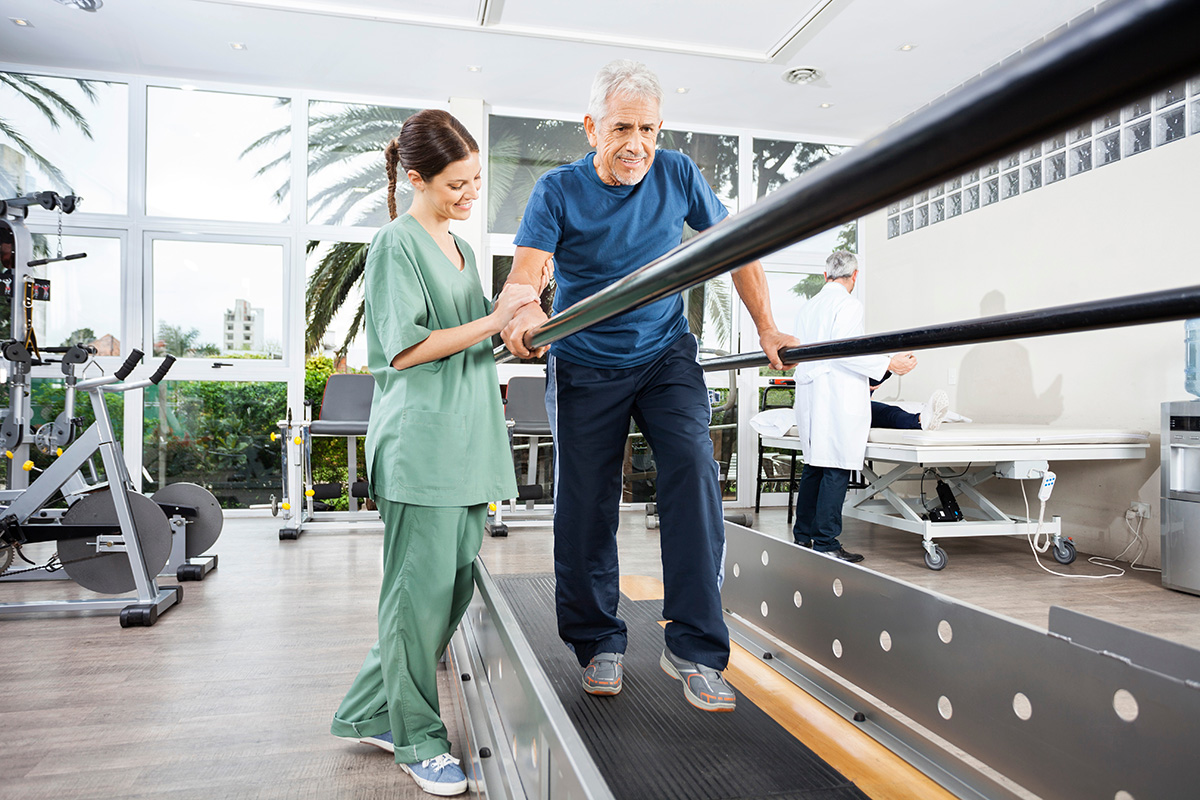
Yes. Physical therapists use targeted balance and coordination exercises to help patients improve body awareness, stability, walking confidence, and overall mobility safety.
Yes. Physical therapy can help improve strength, joint mobility, posture, flexibility, balance, and walking mechanics while reducing pain and fall risk. Treatment plans are tailored to protect joints while promoting safe movement and bone health.
Yes. Fear of falling can lead to less activity and further weakness over time. Physical therapy helps improve movement confidence, balance, and mobility through structured exercise and safety training.
Yes. Most cases of plantar fasciitis improve with conservative treatment and do not require surgery. Physical therapy can help decrease pain, improve flexibility and strength, address contributing factors, and guide a safe return to normal activities. Early treatment often helps prevent symptoms from becoming long-lasting or recurring.
Yes. Physical therapy not only treats current symptoms but also helps improve movement patterns, posture, muscle strength, and flexibility to reduce the likelihood of recurring headaches.
Physical therapists can identify muscle weakness, movement patterns, and imbalances that may increase injury risk, then recommend exercises and strategies to address them.
In some situations, physical therapy may help patients manage symptoms well enough to delay or avoid surgical intervention. Strengthening muscles, improving movement patterns, increasing mobility, and reducing irritation within the joint can significantly improve function for certain conditions. However, not every knee problem can be resolved without surgery. Factors such as the type of injury, severity of tissue damage, and individual goals all influence treatment recommendations. A healthcare provider can help determine whether conservative care, including physical therapy, is an appropriate first step before considering surgical options.
Yes. Physical therapy plays an important role in ACL rehabilitation by helping patients restore strength, mobility, balance, knee stability, and overall function before and after surgery.
Yes. Fall prevention is one of the primary goals of physical therapy for older adults experiencing dementia-related mobility changes. Therapists assess gait, balance, strength, and movement patterns to help improve safety.
Yes. Physical therapy can help individuals with Alzheimer’s disease maintain mobility, improve balance, reduce fall risk, and stay physically active longer. Therapy programs are customized to each patient’s functional abilities and safety needs.
Yes. Physical therapy can help reduce the frequency and intensity of tension headaches by addressing muscle tightness, poor posture, neck stiffness, and movement dysfunction that may contribute to headache symptoms.
Yes. A personalized program can address stiffness, weakness, balance, coordination, and movement restrictions to help make everyday activities easier and more comfortable.
Physical therapy may help improve mobility, confidence, physical function, and overall activity levels. Staying active can support independence and help patients continue participating in daily routines safely.
Physical activity can support mood and stress management. Making progress toward achievable movement goals may also help people feel more confident and independent.
Yes. Plantar fasciitis can return if the factors that caused the problem are not addressed. Tight calf muscles, worn-out footwear, rapid increases in activity, and stopping strengthening exercises too soon can increase the risk of recurrence. Ongoing stretching, strengthening, supportive shoes, and gradual activity progression can help reduce the likelihood of future flare-ups.
Yes. Poor posture, especially forward head posture and prolonged sitting, can place stress on the neck and upper back muscles, contributing to tension headaches and neck pain.
Yes. Stress can increase muscle tension throughout the neck, shoulders, and upper back, which may contribute to headache symptoms and neck discomfort.
Prolonged computer use, desk work, poor workstation setup, and repetitive movements may place stress on the neck and upper back, increasing the likelihood of tension headaches.
Not always. Some partial tears or lower-demand patients may recover with a conservative rehabilitation program focused on strength, stability, and movement training. Treatment recommendations depend on activity level, knee stability, and injury severity.
No prior Pilates experience is necessary. Clinical Pilates is designed for beginners and experienced exercisers alike. Your program starts at your current ability level and progresses at a pace appropriate for your goals and condition.
Not necessarily. People may seek physical therapy to improve strength, balance, mobility, athletic performance, posture, or confidence with movement—even when they are not currently injured.
Orthotics and shoe inserts may help reduce stress on the plantar fascia by improving support and pressure distribution. Many people find relief with over-the-counter inserts, while others benefit from customized options. They typically work best when combined with stretching, strengthening, supportive footwear, and activity modifications rather than being used as a stand-alone treatment.
Orthotics may help distribute pressure more evenly and support the arch, especially when paired with stretching, strengthening, and footwear changes. Some people do well with over-the-counter inserts, while others may need a more customized option. However, inserts alone are rarely the whole solution. A physical therapist can help determine whether your symptoms are more related to arch support, calf tightness, training load, footwear wear, or movement patterns.
Yes. Physical therapists often educate caregivers on safe transfer techniques, fall prevention strategies, home safety recommendations, and proper body mechanics to reduce physical strain and improve patient safety.
Yes. Many tension headaches are linked to neck dysfunction and muscle tightness. Physical therapy often focuses on improving neck mobility and reducing muscular strain that contributes to both headaches and neck pain.
Foot taping can offer short-term support by helping control strain through the arch and heel. It may be especially useful during a painful phase, before a long work shift, or while transitioning into better footwear or orthotics. Clinical guidance supports rigid or elastic taping when used together with other physical therapy treatments for short-term improvements in pain and function. (orthopt.org) Taping is not usually a stand-alone cure, and skin irritation is possible, so remove tape if itching, redness, or blistering develops.
Families can begin by speaking with their physician or contacting a licensed physical therapy clinic to schedule an evaluation. A therapist can assess mobility, balance, safety concerns, and develop a personalized treatment plan.
If pain, stiffness, weakness, or balance problems are keeping you from enjoying daily life, a conversation with our clinic is a good place to start. Our physical therapy team here in Warren, MI works with people throughout the local community—from active adults and student-athletes to older neighbors who want to remain steady, mobile, and independent. We’ll listen to your concerns, evaluate how you move, and recommend a personalized plan based on your lifestyle and goals. Whether you want to walk more comfortably, return to a favorite activity, prevent future injuries, or simply feel more confident moving, we’re here to help you take the next step.
Physical therapy helps reduce pain, improve flexibility, restore strength, and address the factors contributing to plantar fasciitis. Treatment may include stretching, strengthening exercises, manual therapy, activity modification, taping, and footwear recommendations. By treating the underlying causes—not just the symptoms—physical therapy can help patients return to daily activities with greater comfort and confidence.
Physical therapists evaluate balance, mobility, strength, posture, gait, and movement patterns to identify risk factors that may contribute to falls. Treatment programs focus on improving stability, walking ability, coordination, and overall safety.
Physical therapists use injury prevention strategies focused on improving landing mechanics, muscle strength, balance, coordination, flexibility, and movement control to reduce reinjury risk.
A physical therapist can identify factors contributing to pain and develop a treatment plan that may include targeted exercises, movement training, education, and hands-on care.
Physical therapy helps improve strength, posture, mobility, balance, and coordination while reducing fall risk. A physical therapist can also teach safe movement strategies to help protect fragile bones.
Osteoarthritis affects more than 528 million people worldwide and is one of the leading causes of disability among older adults. Osteoporosis affects approximately 200 million people globally, with fractures becoming increasingly common after age 50.
If you are recovering from an injury, managing a chronic condition, seeking safer exercise options, or looking to improve strength, balance, mobility, and movement confidence, Clinical Pilates may be an excellent option. A consultation with a physical therapist or Clinical Pilates provider can help determine whether it fits your specific needs and goals.
Physical therapists use techniques such as manual therapy, posture correction, stretching, strengthening exercises, mobility training, and ergonomic education to address the underlying causes of tension headaches.
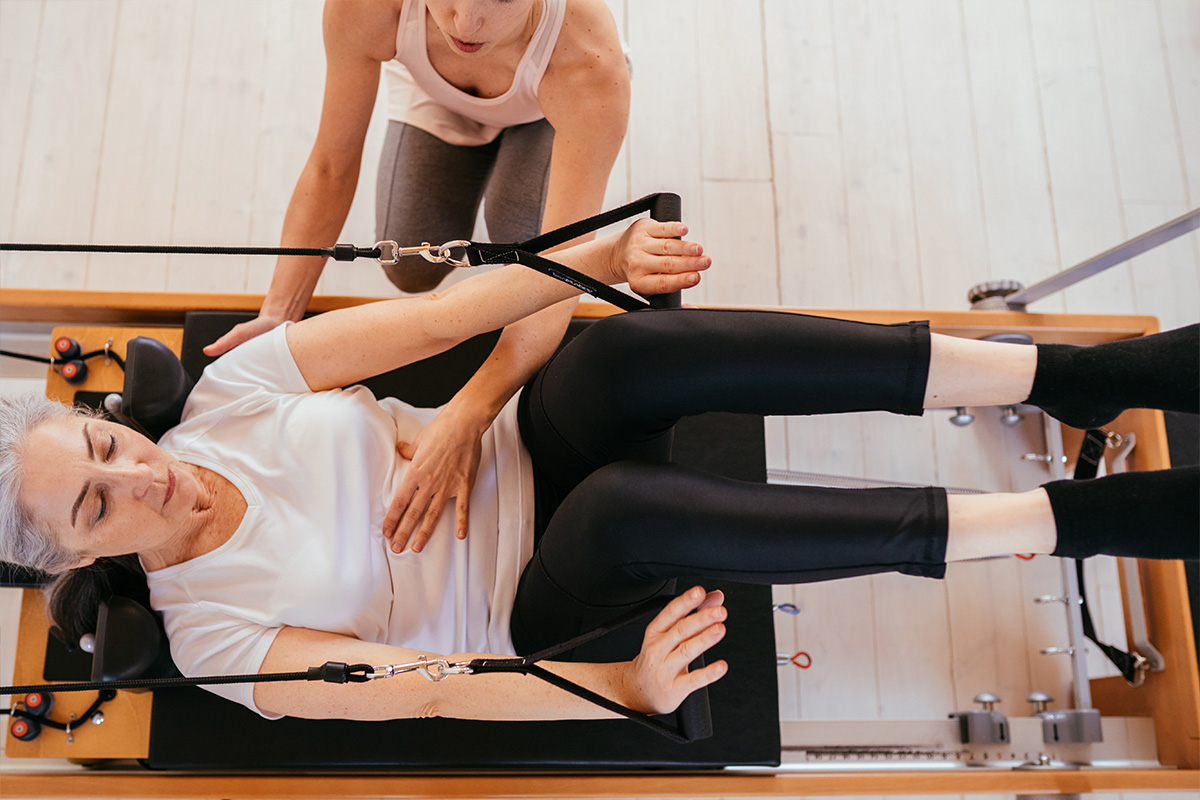
Traditional Pilates classes generally follow a set workout format for a group. Clinical Pilates is individualized and often guided by a physical therapist or Pilates-trained rehabilitation professional. Exercises are tailored to your condition, limitations, and goals, with modifications made as needed throughout the session.
Recovery timelines vary depending on the severity of the injury and whether surgery is performed. Many patients participate in rehabilitation for several months to restore strength, function, and safe return-to-sport performance.
Recovery times vary depending on the severity and underlying cause of symptoms. Some individuals notice improvement within a few visits, while others may require a longer treatment plan focused on posture correction, strength, and mobility.
The length of treatment depends on several factors, including the underlying condition, symptom severity, overall health, and the patient’s goals. Some individuals notice improvements within a few weeks, while others may require a longer period of rehabilitation to restore strength, mobility, and function. Patients recovering from surgery, significant injuries, or chronic conditions often need more extensive treatment than those dealing with mild overuse symptoms. Regular participation in home exercises can also influence progress and recovery timelines. During an evaluation, a physical therapist can provide a more accurate expectation based on your specific condition and functional needs.
Regular movement and exercise are important for maintaining strength and balance. A physical therapist can recommend a safe and personalized program based on individual needs, health history, and mobility levels.
Clinical Pilates can be beneficial for many individuals with osteoporosis when exercises are selected carefully. Programs typically emphasize posture, balance, strength, and safe movement strategies while avoiding positions that may place unnecessary stress on vulnerable bones.
Clinical Pilates is not a replacement for physical therapy, but it can be an effective component of a physical therapy treatment plan. It is often used to improve strength, mobility, balance, posture, body awareness, and movement control during rehabilitation and recovery.
In many cases, yes. Clinical Pilates is designed to work within your current abilities and comfort level. Exercises can be modified based on pain, mobility restrictions, fatigue, or medical precautions. The goal is to help you move more confidently without aggravating symptoms.
In many cases, Medicare may cover medically necessary physical therapy services related to balance deficits, weakness, gait abnormalities, mobility limitations, or fall risk reduction.
Yes. Seeking treatment early may help prevent compensation patterns, worsening pain, and prolonged recovery. A physical therapist can identify movement limitations, strength deficits, footwear concerns, and activity-related factors before symptoms become more persistent.
Mild soreness after physical therapy is often a normal response, especially when muscles and joints are being challenged in new ways. Similar to starting a new exercise program, some temporary discomfort can occur as the body adapts to increased activity and strengthening exercises. However, soreness should generally be manageable and improve within a day or two. Severe pain, significant swelling, or symptoms that continue to worsen should be discussed with your physical therapist so the treatment plan can be adjusted if needed. Open communication helps ensure that exercises remain effective while supporting a safe and gradual recovery process.
Yes. Physical therapy can help older adults maintain strength, improve balance, reduce fall risk, preserve mobility, and remain independent.
In many cases, Medicare may cover medically necessary physical therapy services when prescribed to address mobility limitations, balance deficits, weakness, or fall risk. Coverage depends on the patient’s condition and plan details.
No. Physical therapy can also help people manage chronic conditions, improve balance and strength, prevent injuries, maintain mobility, and stay active as they age.
Clinical Pilates can often be safely adapted during pregnancy. Exercises are modified throughout each trimester to accommodate physical changes, improve posture, support pelvic stability, and maintain strength. All prenatal exercise programs should follow the recommendations of your healthcare provider.
In most cases, complete rest is not necessary. Instead, it is often more beneficial to temporarily reduce or modify activities that aggravate symptoms while staying active through lower-impact options such as cycling, swimming, or strength training. Physical therapy can help you gradually return to walking, running, and other activities without repeatedly irritating the plantar fascia.
Yes. Experts increasingly recommend screening for osteoporosis in OA patients because high bone density does not always rule out bone fragility or fracture risk.
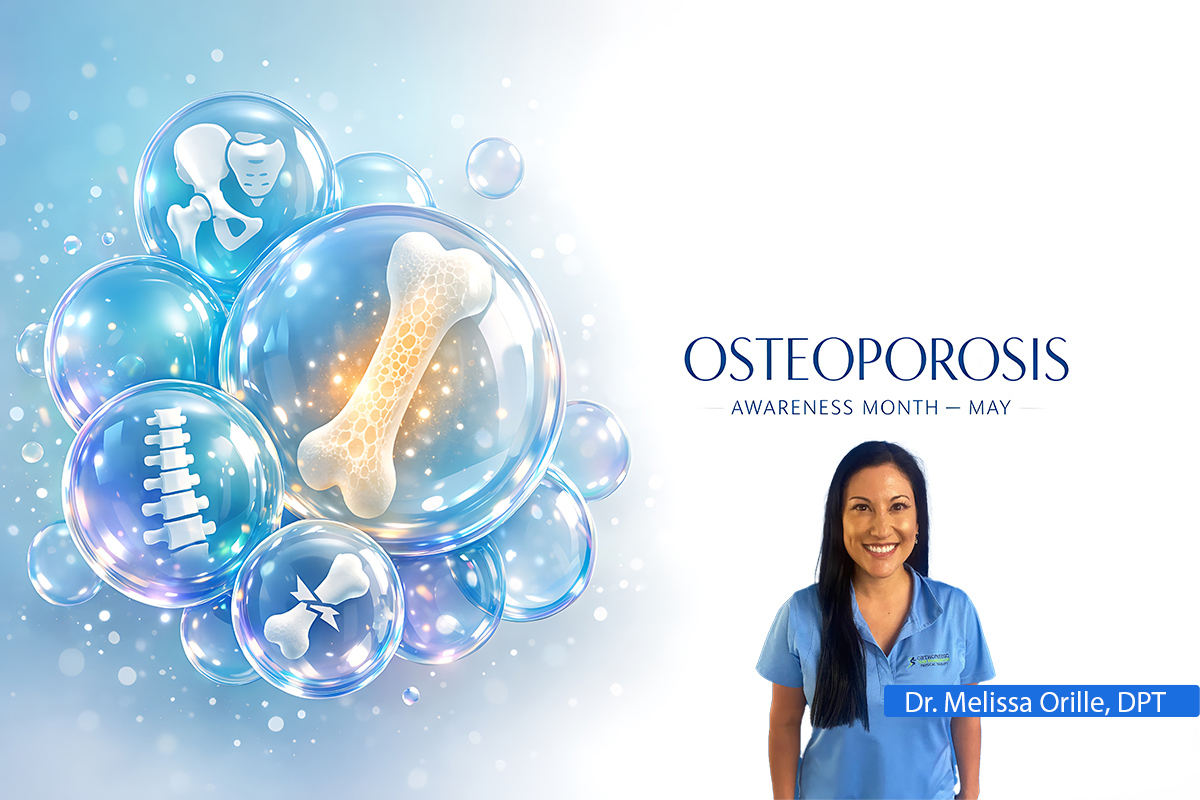
Osteoporosis often develops without symptoms early on. Some people may experience loss of height, changes in posture, back pain, or fractures that occur more easily than expected.
Common warning signs include difficulty standing up, poor balance, dizziness, frequent tripping, unsteady walking, lower body weakness, reduced confidence while walking, and a history of previous falls.
Common symptoms may include a popping sensation in the knee, swelling, instability, pain, reduced range of motion, difficulty walking, and trouble participating in sports or physical activity.
The most helpful plan usually combines several techniques rather than relying on one quick fix. Common approaches include:
- Plantar fascia-specific stretching
- Calf stretching for the gastrocnemius and soleus muscles
- Strengthening exercises for the foot, ankle, calf, and hip
- Manual therapy for stiff joints or tight soft tissue
- Foot taping for short-term support
- Education about footwear, training load, and standing habits
- Ice or cold rolling for temporary foot pain relief
- Night splints when morning pain is a major complaint
Clinical practice guidance supports manual therapy, plantar fascia and calf stretching, taping used with other treatments, and resistance training for foot and ankle muscles as part of care for plantar heel pain. (orthopt.org)
When OA and OP occur together, patients may experience chronic pain, mobility limitations, stiffness, reduced physical activity, loss of independence, and an increased risk of fractures and falls.
Before standing, try a short mobility routine:
- Gently point and flex the ankle 10 to 15 times.
- Circle the ankle in both directions.
- Pull the toes back lightly to stretch the arch.
- Massage the bottom of the foot for 30 to 60 seconds.
- Put on supportive shoes or sandals before walking on hard floors.
This routine may reduce the sudden load that often causes morning heel pain.
Tension headaches are commonly associated with muscle tension, stress, poor posture, neck strain, jaw tension, repetitive movement patterns, and prolonged sitting or computer use.
Physical therapy may help with back pain, neck pain, arthritis, joint pain, sports injuries, balance problems, mobility limitations, and recovery after an injury or surgery.
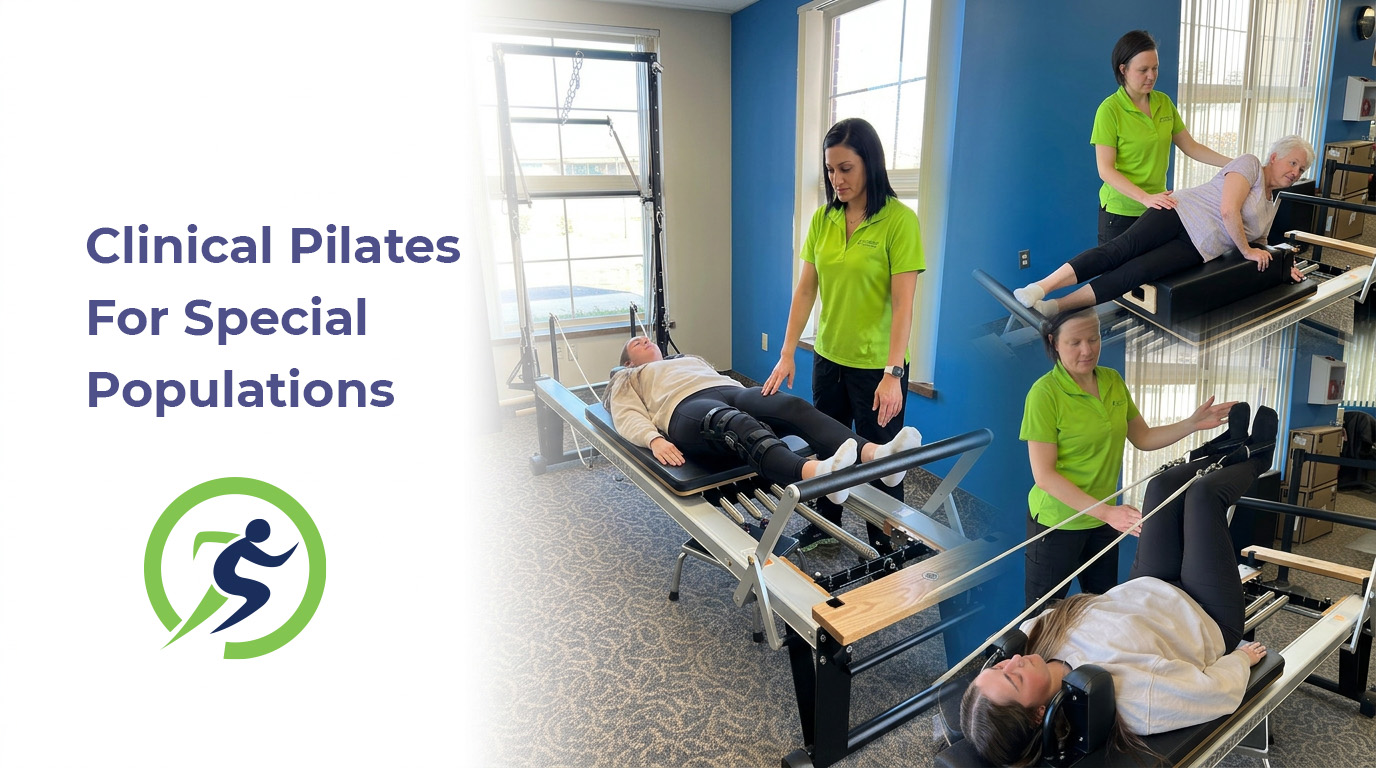
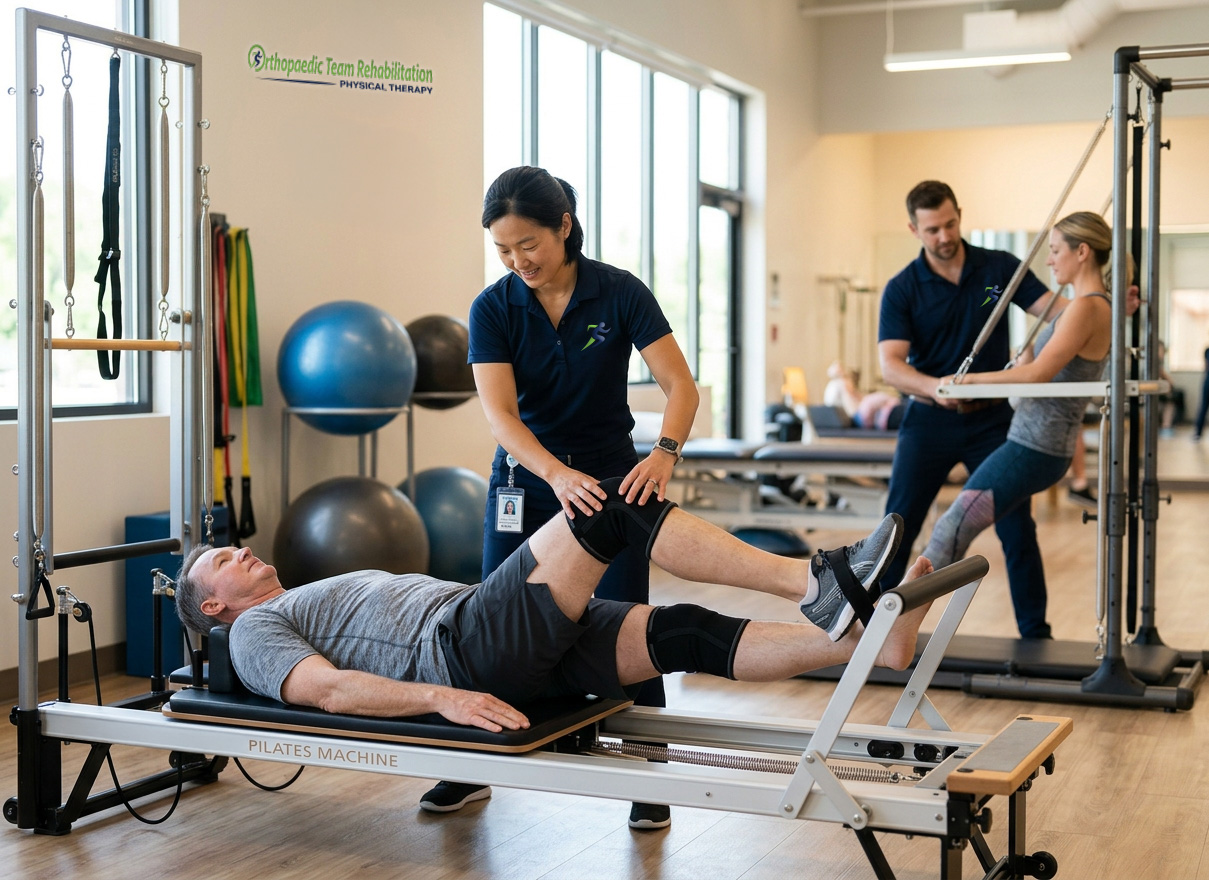
Clinical Pilates may incorporate mat exercises, resistance bands, small props, stability equipment, and Pilates reformers. The equipment is simply a tool; the most important factor is how exercises are selected and adapted to meet your individual needs
Physical therapy may include range of motion exercises, strength training, swelling management, balance exercises, gait training, mobility work, and sport-specific rehabilitation programs designed to safely progress recovery.
Removing loose rugs, improving lighting, installing grab bars, reducing clutter, using supportive footwear, and ensuring clear walking paths may help improve safety at home.
The ACL, or anterior cruciate ligament, is one of the major stabilizing ligaments in the knee. ACL injuries commonly occur during sports that involve sudden cutting, pivoting, jumping, or rapid direction changes.
Clinical Pilates is a personalized form of exercise that combines Pilates principles with rehabilitation concepts. Unlike a traditional Pilates class, exercises are selected and modified based on your medical history, symptoms, physical abilities, and treatment goals to support safe movement and recovery.
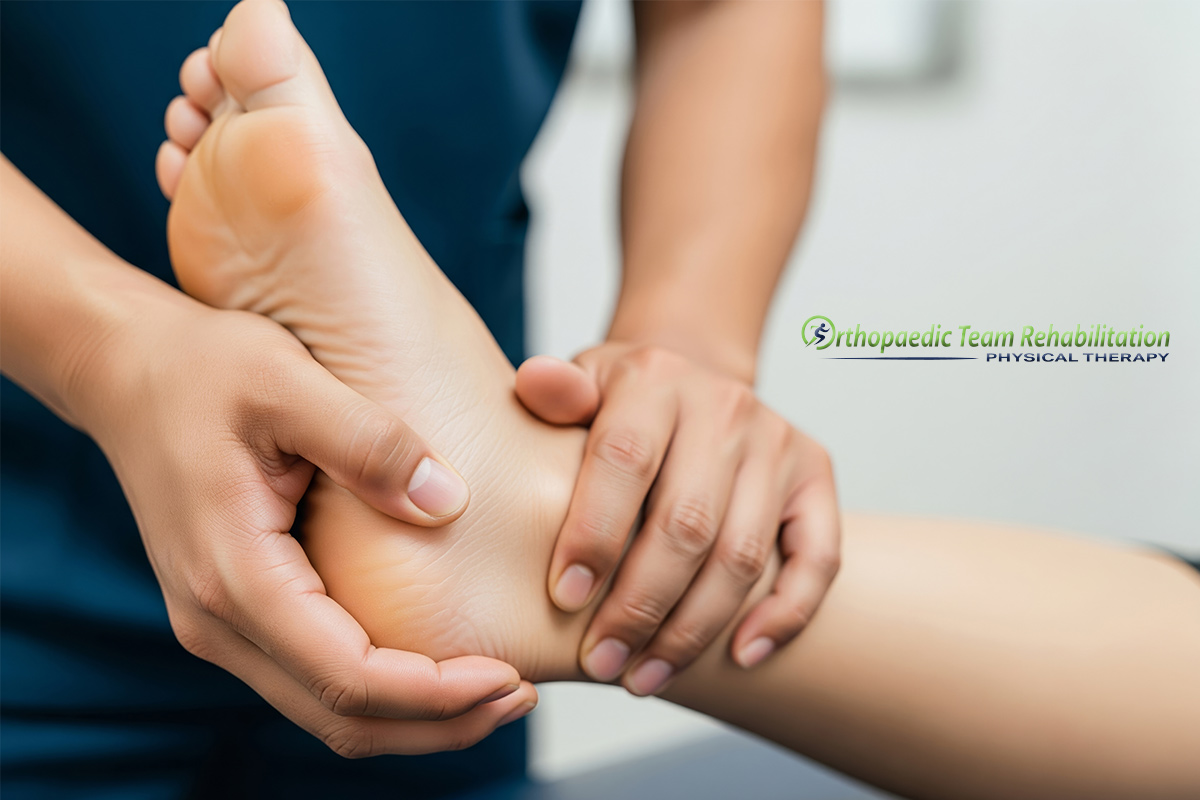
Manual therapy includes hands-on techniques designed to improve joint motion, soft tissue mobility, and overall function. For plantar fasciitis, a therapist may work on the foot, ankle, calf, or other parts of the lower extremity if stiffness or movement limitations are contributing to excessive strain. Manual therapy is usually most effective as part of a larger plan that includes exercise, education, and gradual return to activity.
Manual therapy involves hands-on treatment techniques used by physical therapists to improve joint mobility, reduce muscle tightness, ease stiffness, and decrease pain in the neck and upper back.
Osteoporosis is a condition that causes bones to become weaker and more fragile over time, increasing the risk of fractures and injuries.
Physical therapy is a personalized form of care that uses movement, therapeutic exercise, education, and hands-on techniques to improve mobility, reduce pain, restore function, and support long-term wellness.
Plantar fasciitis is one of the most common causes of heel pain. It occurs when the plantar fascia—the thick band of tissue that supports the arch of the foot—becomes irritated or overloaded. Symptoms often include sharp pain with the first steps in the morning, after sitting for long periods, or following prolonged standing and walking. A healthcare professional can usually diagnose plantar fasciitis through a medical history and physical examination without the need for imaging.
Prehabilitation, or “prehab,” refers to physical therapy performed before ACL surgery to improve strength, reduce swelling, restore motion, and prepare the knee for a smoother postoperative recovery.
A simple at-home routine may include gentle morning stretching, calf mobility work, supportive footwear, cold rolling after activity, and progressive strengthening every other day. Keep the routine realistic so you can repeat it consistently. If symptoms flare, scale back intensity rather than quitting completely. The most effective foot pain relief plan is usually the one that matches your symptoms, daily demands, and long-term activity goals.
An ACL sprain involves stretching or partial damage to the ligament, while a complete tear involves full rupture of the ligament fibers and often results in significant instability.
Helpful lifestyle strategies may include maintaining regular physical activity, improving balance and strength, supporting proper nutrition, increasing calcium and vitamin D intake, practicing fall prevention, and avoiding smoking or prolonged inactivity.
Physical therapy programs are individualized and based on a professional assessment of strength, mobility, balance, pain levels, injury history, and functional limitations. Therapists also focus on safety, progression, and fall risk reduction.
Common osteoarthritis treatments may include NSAIDs, topical anti-inflammatory medications, duloxetine, activity modification, injections, and physical therapy. Severe cases may sometimes require surgical intervention.
Osteoporosis treatment may include bisphosphonates, denosumab, selective estrogen receptor modulators (SERMs), calcium and vitamin D supplementation, and anabolic bone-building medications in more severe cases.
Most people begin to notice gradual improvements in pain, mobility, and activity tolerance with consistent treatment. You may experience less morning pain, improved walking and standing tolerance, and fewer symptom flare-ups during daily activities. While recovery timelines vary, physical therapy can help you build strength, improve movement patterns, and return to the activities you enjoy more comfortably.
Leg strength, core stability, and overall muscle function are important for maintaining balance and reacting safely to movement changes. Weakness in the lower body is commonly linked to increased fall risk.
The best shoes for plantar fasciitis typically provide good arch support, heel cushioning, stability, and a comfortable fit. Worn-out athletic shoes, unsupportive flats, and barefoot walking on hard surfaces may worsen symptoms. A physical therapist can help determine which footwear features best match your foot type, activity level, and daily demands.
Families should look for a therapy team experienced in senior wellness, balance training, fall prevention, mobility support, and individualized treatment programs designed around patient safety and caregiver education.
Your initial visit typically begins with a discussion of your symptoms, medical history, activity level, and personal goals. The physical therapist will then perform a comprehensive evaluation that may include assessments of strength, flexibility, balance, walking mechanics, range of motion, and functional activities such as squatting or stair climbing. This process helps identify factors that may be contributing to your knee pain and guides the development of an individualized treatment plan. Many patients also receive initial exercises or recommendations to start working on immediately. The goal of the first visit is not only to begin treatment but also to provide a clear understanding of the path forward.
A physical therapist will typically assess your movement, strength, mobility, balance, and goals before creating an individualized plan that may include exercises, education, and treatment techniques.
A physical therapist may assess posture, neck mobility, muscle tightness, joint movement, strength, movement mechanics, and daily activity patterns to identify factors contributing to headache symptoms.
ACL injuries commonly occur in sports such as soccer, basketball, football, volleyball, skiing, lacrosse, and other activities involving jumping, pivoting, and rapid changes in direction.
Tension headaches often cause dull or aching pain, pressure around the forehead or back of the head, neck tightness, shoulder tension, and tenderness in the muscles surrounding the neck and upper back.
Safe exercises may include weight-bearing activity, resistance training, posture exercises, balance training, stretching, and low-impact strengthening programs. A physical therapist can recommend exercises based on a patient’s mobility, pain levels, and fracture risk.
Physical therapists may use strength training, walking exercises, flexibility work, balance activities, mobility training, and functional movement exercises designed to support safer daily activity and independence.
Safe exercises may include walking, strength training, posture exercises, balance training, flexibility work, and low-impact weight-bearing activity. A physical therapist can recommend exercises based on an individual’s condition and risk factors.
Balance exercises, strength training, gait training, flexibility work, posture exercises, and mobility activities can help improve stability and reduce the likelihood of falls.
Exercises that improve neck mobility, posture, shoulder stability, upper back strength, and flexibility may help reduce muscle tension and improve overall movement patterns related to headaches.
Physical therapy may be beneficial during early, middle, or later stages of Alzheimer’s disease depending on the individual’s mobility, balance, strength, and functional limitations. Early intervention often helps patients maintain independence longer.
Consider professional evaluation if heel pain is severe, lasts more than a few weeks, keeps returning, affects your ability to walk, or does not improve with basic self-care. Seek prompt care if pain follows an injury, you cannot bear weight, you have significant swelling, numbness, tingling, fever, redness, or pain in both feet with other concerning symptoms. A clinician can confirm whether plantar fasciitis is the likely cause and help rule out other problems.
Individuals experiencing recurring headaches, neck pain, muscle tightness, posture-related discomfort, or headaches triggered by work or daily activities may benefit from a physical therapy evaluation.
Individuals experiencing joint pain, stiffness, weakness, balance problems, reduced mobility, difficulty walking, posture changes, or a history of falls may benefit from a physical therapy evaluation.
Individuals experiencing weakness, poor balance, posture changes, difficulty walking, or a history of falls may benefit from a physical therapy evaluation.
Physical therapy often begins soon after injury or surgery to address swelling, restore motion, improve strength, and begin safe rehabilitation under professional supervision.
The most common stretching exercises target both the bottom of the foot and the back of the lower leg. A seated plantar fascia stretch involves crossing the affected foot over the opposite knee, gently pulling the toes back toward the shin, and feeling for tension along the arch. A wall calf stretch targets the gastrocnemius with the back knee straight, while a bent-knee variation targets the soleus. These stretches should feel firm but tolerable, not sharp or forceful.
AAOS describes a seated plantar fascia stretch held for 10 seconds and repeated multiple times, and also notes that physical therapy programs often focus on stretching the calf muscles and plantar fascia. (orthoinfo.aaos.org)
Clinical Pilates may benefit individuals who:
- Are recovering from surgery or injury
- Have chronic back, neck, or joint pain
- Want to improve balance and reduce fall risk
- Have osteoporosis or osteopenia
- Are pregnant or recovering after childbirth
- Have neurological conditions affecting movement
- Want to safely improve strength, flexibility, and mobility
Risk factors include aging, family history, inactivity, smoking, poor nutrition, hormonal changes, and certain medical conditions or medications.
Older adults experiencing dizziness, weakness, balance problems, difficulty walking, previous falls, or reduced mobility may benefit from a fall prevention assessment by a physical therapist.
As people age, changes in strength, balance, coordination, flexibility, vision, joint mobility, and reaction time can increase the likelihood of falls. Certain medical conditions and medications may also contribute to balance problems and instability.
Morning heel pain is a hallmark symptom of plantar fasciitis. During sleep, the plantar fascia and Achilles tendon remain in a shortened position. When you take your first steps, the tissue is suddenly stretched and loaded, causing sharp discomfort. Gentle stretching before standing and wearing supportive footwear first thing in the morning may help reduce symptoms.
Bone strength depends on both bone density and bone quality. In some OA patients, bones may appear denser on scans while still having structural weakness that increases fracture risk.
Falls are one of the leading causes of fractures in people with osteoporosis. Balance training can help improve stability, coordination, and confidence during daily movement.
Alzheimer’s disease and other forms of dementia can affect coordination, reaction time, walking ability, and spatial awareness. Balance training helps improve stability and may reduce the risk of falls and fall-related injuries.
Balance training helps improve coordination, reaction time, and stability during daily movements such as walking, climbing stairs, standing up, and changing direction. This may help lower the risk of falls and injuries.
Plantar fasciitis can linger when the tissue is repeatedly overloaded before it has adapted. Common reasons include tight calves, sudden increases in walking or running, unsupportive shoes, long hours on hard floors, limited ankle mobility, inadequate recovery, or stopping exercises as soon as pain improves. A good plan addresses the root contributors instead of only treating pain. If symptoms are not improving, your therapist may reassess strength, mobility, footwear, training volume, and whether another condition could be involved.
Strengthening the muscles surrounding the knee, hips, and core helps improve joint stability, reduce stress on the knee, and support safer movement during activity and sports participation.
Pilates was originally developed by Joseph Pilates in the early 20th century as a rehabilitation-focused exercise system. During World War I, he used specialized equipment and controlled movement techniques to help injured patients and bedridden individuals maintain strength and recover physical function, principles that continue to influence Clinical Pilates today.
Historically, clinicians believed the increased bone mineral density commonly seen in OA patients reduced the likelihood of osteoporosis. However, newer research suggests that denser bones do not always provide better protection against fractures.