
Physical therapy plays an important role in fall prevention, mobility support, and functional independence for patients with dementia.
By David Hendren, PTA with David Steinberg, Senior Writer, PTRM

In this article, we discuss how physical therapy can support individuals living with Alzheimer’s disease and dementia by improving mobility, reducing fall risk, promoting safe exercise, and helping patients maintain independence longer. We also explore the important role physical therapists play in caregiver education, balance training, and overall quality of life during Alzheimer’s and Brain Awareness Month.
Alzheimer’s & Dementia Facts
3 Things You Didn’t Know About Physical Therapy and Alzheimer’s Care
June is Alzheimer’s and Brain Awareness Month, a time dedicated to raising awareness about Alzheimer’s disease, dementia, and the challenges many families face as cognitive conditions progress with age. While memory loss is often the most recognized symptom, Alzheimer’s disease can also affect mobility, balance, coordination, and a person’s ability to safely perform daily activities.
Many people are surprised to learn that physical therapy can play an important role in comprehensive Alzheimer’s care. In addition to helping patients move more safely, physical therapists work to improve strength, reduce fall risk, support independence, and help individuals maintain a better quality of life for as long as possible.
For older adults throughout Warren, Troy, Sterling Heights, and surrounding Metro Detroit communities, physical therapy can provide valuable support for mobility, balance, and fall prevention during Alzheimer’s care.
Through individualized exercise programs and functional movement training, physical therapy can support both patients and caregivers during every stage of care. Here are three important ways physical therapy helps individuals living with Alzheimer’s disease and other forms of dementia.
1. Physical Therapy Helps Patients Stay Active and Independent
Staying physically active becomes increasingly important as individuals age, especially for those experiencing cognitive decline. Regular movement and exercise can help older adults maintain strength, flexibility, endurance, and mobility while also supporting overall wellness.
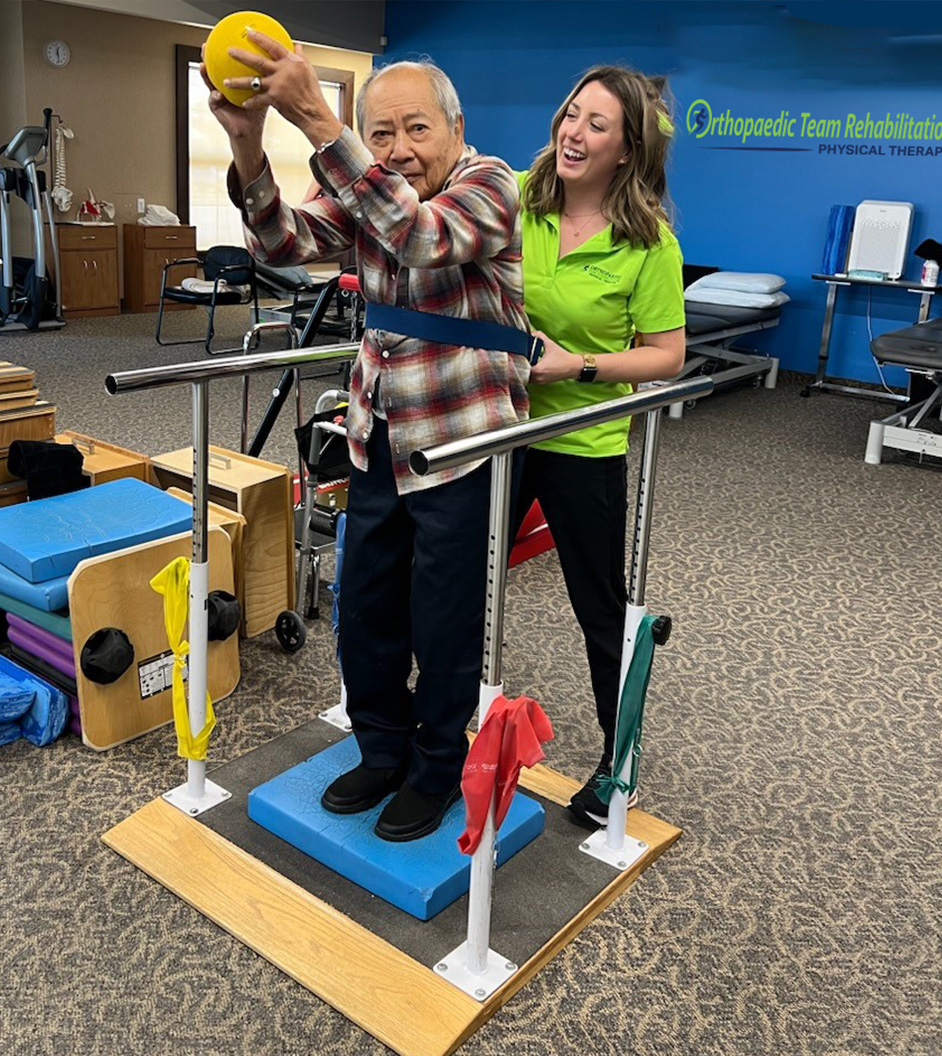
Physical therapists develop customized exercise plans based on each patient’s current abilities, safety needs, and stage of progression. These programs are designed to encourage safe movement while improving confidence with everyday tasks.
- Strength training helps support mobility and daily function.
- Balance exercises may improve coordination and stability.
- Walking and mobility training help patients remain more independent longer.
- Structured physical activity provides routine and encourages ongoing engagement.
When appropriately supervised, moderate to higher intensity exercise may also help slow physical decline and improve overall activity tolerance.
2. PT Can Reduce Fall Risk and Improve Safety
Falls are one of the biggest concerns for older adults living with Alzheimer’s disease and dementia. Cognitive decline can impact judgment, reaction time, awareness of surroundings, and coordination, all of which increase the likelihood of falls and injuries.
Physical therapists evaluate how patients move and identify problem areas that may create safety risks both inside and outside the home.
- Gait training helps improve walking mechanics and stability.
- Transfer training focuses on safer sitting, standing, and movement transitions.
- Postural education encourages safer body positioning during daily activity.
- Fall prevention strategies help patients and caregivers recognize environmental hazards.
Therapists also educate families on proper body mechanics and safe assistance techniques to reduce caregiver strain while maximizing patient safety.
3. Physical Therapy Supports the Entire Care Team
Alzheimer’s disease impacts more than the person receiving the diagnosis. Family members and caregivers often take on physically demanding responsibilities that can become overwhelming over time.
Physical therapists provide valuable guidance that helps caregivers feel more confident supporting their loved ones safely and effectively.
- Caregiver education helps families understand safer mobility techniques.
- Home safety recommendations may reduce injury risk throughout the living environment.
- Exercise guidance helps patients remain active with appropriate supervision.
- Mobility support training improves confidence during everyday activities.
Having professional support can help families better navigate the physical challenges associated with Alzheimer’s disease while promoting greater comfort and independence for patients.
The Takeaway
Physical therapy is about much more than rehabilitation after injury. For individuals living with Alzheimer’s disease and dementia, PT can help improve mobility, reduce fall risk, support independence, and enhance overall quality of life.
During Alzheimer’s and Brain Awareness Month, it is important to recognize the value of a comprehensive care approach that supports both physical and cognitive wellbeing. With the right guidance and support, patients and caregivers can work toward safer movement, greater confidence, and improved daily function throughout the care journey.
This article is for educational purposes only and should not replace medical advice, diagnosis, or treatment from a qualified healthcare provider.
Looking for Physical Therapy Support for a Loved One?
Orthopaedic Team Rehabilitation Physical Therapy provides personalized balance training, fall prevention, and senior wellness services for patients throughout Warren and surrounding Michigan communities.
Frequently Asked Questions About Physical Therapy and Alzheimer’s Care
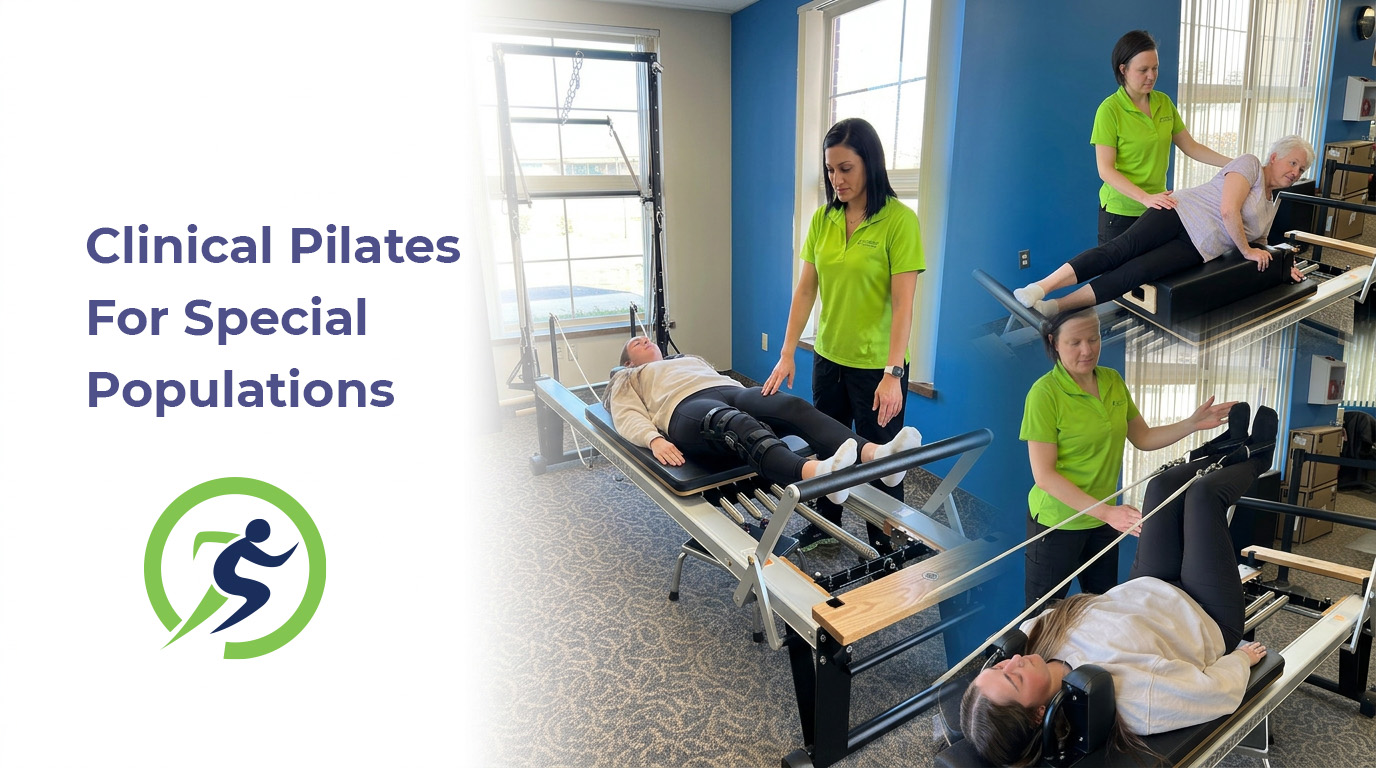
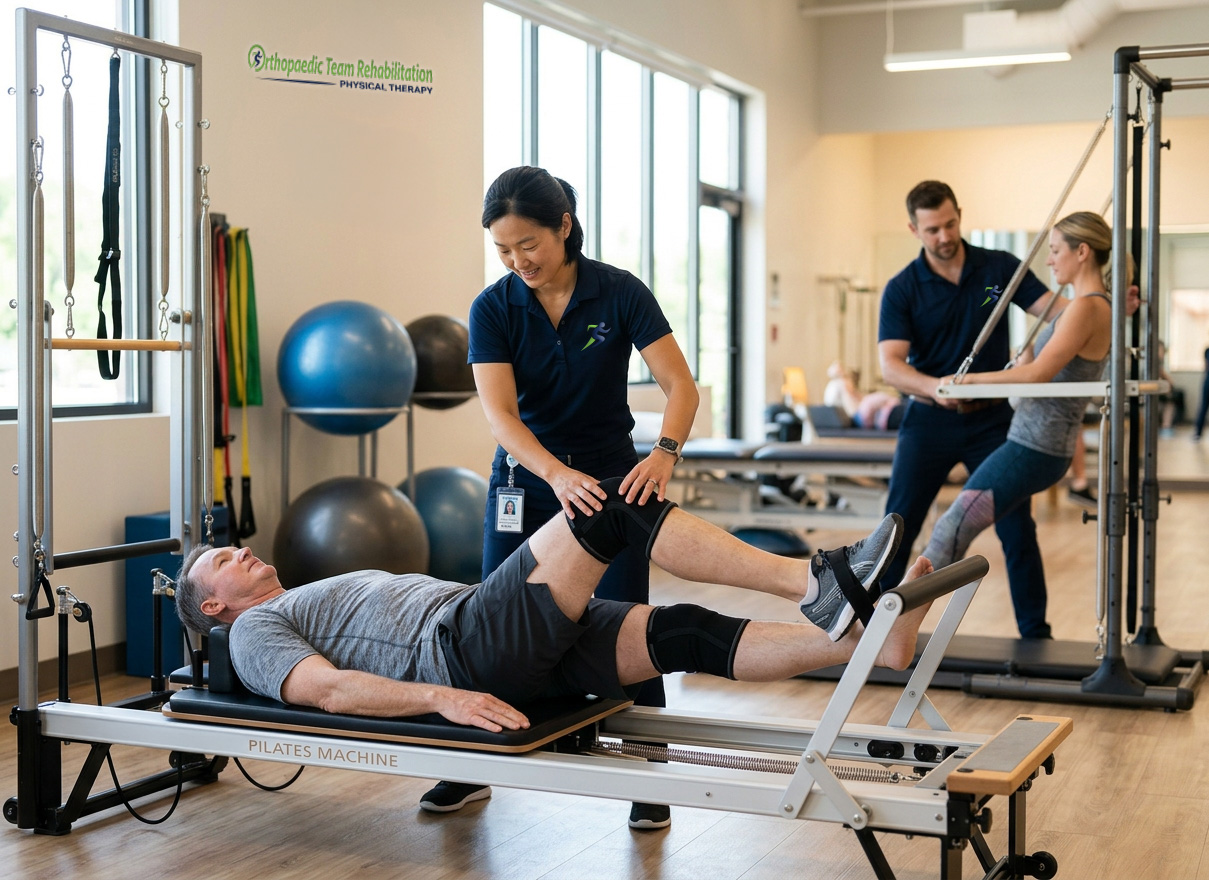
Absolutely. Clinical Pilates can help older adults improve strength, balance, flexibility, posture, coordination, and confidence with movement. Exercises can be modified to accommodate mobility limitations while supporting independence and fall prevention.
Clinical Pilates may benefit individuals who:
- Are recovering from surgery or injury
- Have chronic back, neck, or joint pain
- Want to improve balance and reduce fall risk
- Have osteoporosis or osteopenia
- Are pregnant or recovering after childbirth
- Have neurological conditions affecting movement
- Want to safely improve strength, flexibility, and mobility
Clinical Pilates is not a replacement for physical therapy, but it can be an effective component of a physical therapy treatment plan. It is often used to improve strength, mobility, balance, posture, body awareness, and movement control during rehabilitation and recovery.
Traditional Pilates classes generally follow a set workout format for a group. Clinical Pilates is individualized and often guided by a physical therapist or Pilates-trained rehabilitation professional. Exercises are tailored to your condition, limitations, and goals, with modifications made as needed throughout the session.
Clinical Pilates is a personalized form of exercise that combines Pilates principles with rehabilitation concepts. Unlike a traditional Pilates class, exercises are selected and modified based on your medical history, symptoms, physical abilities, and treatment goals to support safe movement and recovery.
Physical therapy programs are individualized and based on a professional assessment of strength, mobility, balance, pain levels, injury history, and functional limitations. Therapists also focus on safety, progression, and fall risk reduction.
In many cases, Medicare may cover medically necessary physical therapy services related to balance deficits, weakness, gait abnormalities, mobility limitations, or fall risk reduction.
Older adults experiencing dizziness, weakness, balance problems, difficulty walking, previous falls, or reduced mobility may benefit from a fall prevention assessment by a physical therapist.
Balance training helps improve coordination, reaction time, and stability during daily movements such as walking, climbing stairs, standing up, and changing direction. This may help lower the risk of falls and injuries.
Yes. Physical therapists use targeted balance and coordination exercises to help patients improve body awareness, stability, walking confidence, and overall mobility safety.



Leave A Comment