
Key Takeaways: Osteoporosis & Physical Therapy
Many people think osteoporosis is simply a part of aging—or that it can only be managed with medication. In reality, there’s much more within your control. As a physical therapist, I see every day how the right approach to movement, strength, and balance can dramatically reduce fracture risk and help people stay active and independent. In this article, I’ll share what I want my patients to understand about osteoporosis—and how physical therapy plays a critical role in protecting long-term bone health.

As a clinician who has spent years treating patients with bone health concerns, I’ve seen firsthand how confusing and overwhelming an osteoporosis diagnosis can feel.
Now, as part of the team at Orthopaedic Team Rehabilitation Physical Therapy, I want to take Osteoporosis Awareness Month as an opportunity to speak directly to our patients and community about what truly works—and where physical therapy fits into that plan.
Osteoporosis: The Condition Most People Don’t See Coming
We often call osteoporosis the “silent disease,” and there’s a reason for that. Most people don’t know they have it until something breaks. Over time, bone density declines. The structure of bone weakens. And suddenly, a simple fall—or even a minor movement—can lead to a fracture in the hip, spine, or wrist.
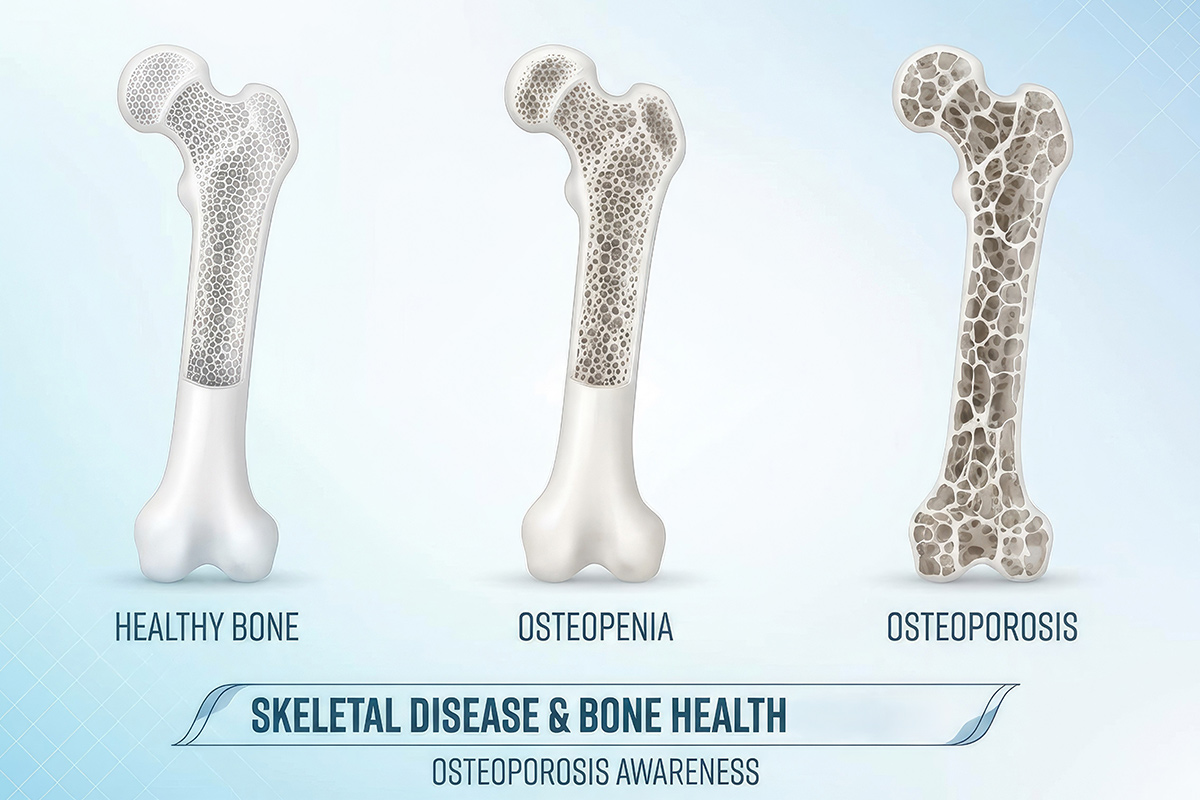
In my clinic, I regularly meet patients who say: “I had no idea my bones were this fragile.” That’s why awareness—and early action—matters so much.
Where Physical Therapy Fits In (And Why It’s So Effective)
One of the biggest misconceptions I encounter is that osteoporosis care is only about medication or supplements. Those can be important. But they’re only part of the picture.
Physical therapy is one of the most effective, non-invasive ways to:
- Improve bone strength
- Reduce fracture risk
- Restore confidence in movement
- Prevent falls before they happen
At Orthopaedic Team Rehabilitation, we don’t take a one-size-fits-all approach. Every patient gets a plan designed specifically for their body, their risk level, and their goals.
What Osteoporosis Physical Therapy Actually Looks Like
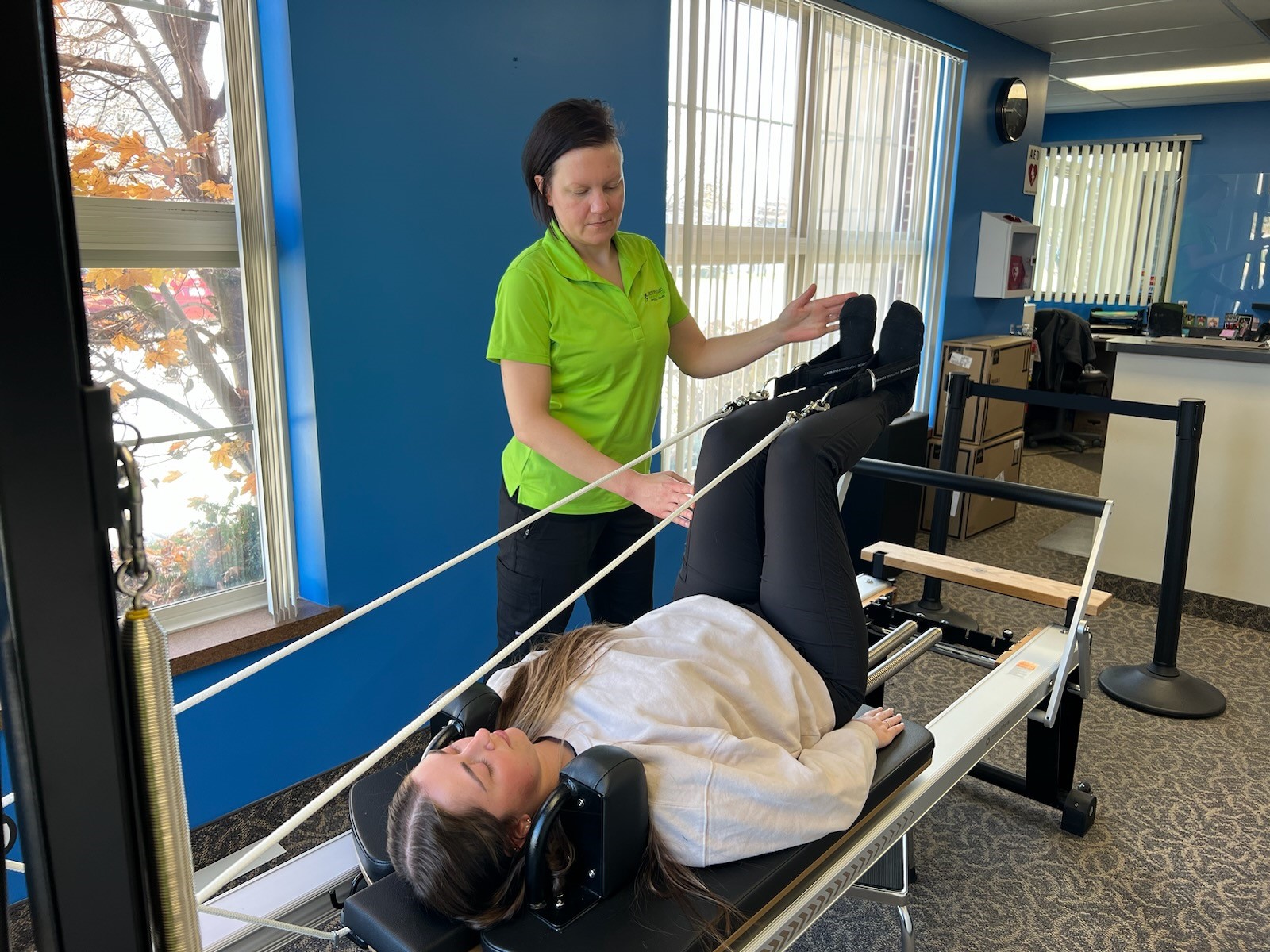
When patients first come in, we start with a comprehensive evaluation. From there, we build a personalized program that typically focuses on three key areas:
- Strength Training- Stronger muscles support and protect weaker bones. We use controlled resistance exercises to safely stimulate bone and improve stability.
- Balance and Fall Prevention- Most fractures don’t just happen—they result from falls. We work on coordination, stability, and reaction time to reduce that risk significantly.
- Movement Education-Patients often don’t realize how everyday movement patterns can increase fracture risk. We teach safer ways to bend, lift, and move, posture strategies that protect the spine, and techniques to stay active without unnecessary risk.
The Real Goal: Keeping You Independent

What matters most to my patients isn’t just bone density—it’s independence.
They want to:
- Stay active
- Avoid surgery
- Continue doing what they enjoy
Physical therapy supports all of that.
In fact, one of the biggest shifts I see is confidence. Patients who were initially afraid of movement begin to trust their bodies again—and that’s a critical part of long-term health.
What You Can Start Doing Right Now
Even outside the clinic, there are simple steps that make a real difference:
- Stay active with weight-bearing exercise like walking or light resistance work
- Focus on balance, even simple exercises at home
- Ensure proper calcium and vitamin D intake
- Remove fall hazards like rugs, clutter, or poor lighting
- Get a bone density screening if you’re at risk
- For Medicare patients, take advantage of your annual Fall Risk Assessment with your trusted physical therapist.
Small changes add up—and they matter.
Why This Matters to Me Here In Our Warren, MI Community
Here in the Warren area, I’m seeing more patients over 50 dealing with bone density loss than ever before.
The good news is the Warren community has many options for exceptional outpatient physical therapy, and osteoporosis is manageable (in many ways, preventable), with the right approach.
At Orthopaedic Team Rehabilitation Physical Therapy, bone health is something we address every day. It’s not just about recovery—it’s about prevention and long-term quality of life.
A Personal Note
Having practiced in different settings earlier in my career, I’ve learned that the best outcomes happen when patients are educated, supported, and actively involved in their care.
That’s why I established Orthopaedic Team Rehabilitation, and it’s exactly what we focus on here.
If you take one thing away from Osteoporosis Awareness Month, let it be this: You are not powerless when it comes to your bone health. With the right guidance and a structured physical therapy plan, you can stay strong, mobile, and independent for years to come.
Frequently Asked Questions About Osteoporosis and Physical Therapy
Clinical Pilates can be beneficial for many individuals with osteoporosis when exercises are selected carefully. Programs typically emphasize posture, balance, strength, and safe movement strategies while avoiding positions that may place unnecessary stress on vulnerable bones.
Clinical Pilates may benefit individuals who:
- Are recovering from surgery or injury
- Have chronic back, neck, or joint pain
- Want to improve balance and reduce fall risk
- Have osteoporosis or osteopenia
- Are pregnant or recovering after childbirth
- Have neurological conditions affecting movement
- Want to safely improve strength, flexibility, and mobility
Physical therapy programs are individualized and based on a professional assessment of strength, mobility, balance, pain levels, injury history, and functional limitations. Therapists also focus on safety, progression, and fall risk reduction.
Yes. Physical therapy often plays an important role after fractures by helping patients regain strength, mobility, balance, flexibility, and confidence with movement during recovery.
Individuals experiencing joint pain, stiffness, weakness, balance problems, reduced mobility, difficulty walking, posture changes, or a history of falls may benefit from a physical therapy evaluation.
Helpful lifestyle strategies may include maintaining regular physical activity, improving balance and strength, supporting proper nutrition, increasing calcium and vitamin D intake, practicing fall prevention, and avoiding smoking or prolonged inactivity.
Yes. Weight-bearing and resistance exercises may help support bone health, muscle strength, balance, and mobility while reducing the likelihood of falls and fractures when performed appropriately.
Osteoporosis treatment may include bisphosphonates, denosumab, selective estrogen receptor modulators (SERMs), calcium and vitamin D supplementation, and anabolic bone-building medications in more severe cases.
Common osteoarthritis treatments may include NSAIDs, topical anti-inflammatory medications, duloxetine, activity modification, injections, and physical therapy. Severe cases may sometimes require surgical intervention.
Yes. Experts increasingly recommend screening for osteoporosis in OA patients because high bone density does not always rule out bone fragility or fracture risk.
Safe exercises may include weight-bearing activity, resistance training, posture exercises, balance training, stretching, and low-impact strengthening programs. A physical therapist can recommend exercises based on a patient’s mobility, pain levels, and fracture risk.
Yes. Physical therapy can help improve strength, joint mobility, posture, flexibility, balance, and walking mechanics while reducing pain and fall risk. Treatment plans are tailored to protect joints while promoting safe movement and bone health.
Osteoarthritis affects more than 528 million people worldwide and is one of the leading causes of disability among older adults. Osteoporosis affects approximately 200 million people globally, with fractures becoming increasingly common after age 50.
When OA and OP occur together, patients may experience chronic pain, mobility limitations, stiffness, reduced physical activity, loss of independence, and an increased risk of fractures and falls.
Historically, clinicians believed the increased bone mineral density commonly seen in OA patients reduced the likelihood of osteoporosis. However, newer research suggests that denser bones do not always provide better protection against fractures.
Bone strength depends on both bone density and bone quality. In some OA patients, bones may appear denser on scans while still having structural weakness that increases fracture risk.
Yes. Although osteoarthritis (OA) and osteoporosis (OP) were once believed to be separate conditions, research now shows they can coexist. Patients with osteoarthritis may still have weakened or fragile bones despite showing higher bone density on imaging studies.
Individuals experiencing weakness, poor balance, posture changes, difficulty walking, or a history of falls may benefit from a physical therapy evaluation.
Yes. Physical therapy can help patients safely regain strength, mobility, balance, and confidence following fractures or orthopedic injuries related to osteoporosis.
Risk factors include aging, family history, inactivity, smoking, poor nutrition, hormonal changes, and certain medical conditions or medications.
Osteoporosis often develops without symptoms early on. Some people may experience loss of height, changes in posture, back pain, or fractures that occur more easily than expected.
Falls are one of the leading causes of fractures in people with osteoporosis. Balance training can help improve stability, coordination, and confidence during daily movement.
Safe exercises may include walking, strength training, posture exercises, balance training, flexibility work, and low-impact weight-bearing activity. A physical therapist can recommend exercises based on an individual’s condition and risk factors.
Yes. Weight-bearing and resistance exercises may help support bone density, muscle strength, and overall physical function when performed safely and consistently.
Physical therapy helps improve strength, posture, mobility, balance, and coordination while reducing fall risk. A physical therapist can also teach safe movement strategies to help protect fragile bones.
Osteoporosis is a condition that causes bones to become weaker and more fragile over time, increasing the risk of fractures and injuries.







Leave A Comment