

Tension Headache Or Migraine? Which Type Do You Really Have?

Summary
Headaches affect millions of Americans—but not all headaches are created equal. This article from Orthopaedic Team Rehabilitation breaks down the four major classifications: tension, vascular (migraine), cluster, and traction/inflammatory headaches. With tension headaches being the most common and often responsive to physical therapy, the piece highlights how understanding your specific symptoms can lead to more accurate diagnoses and lasting relief.
Through clear examples and statistics, readers learn to distinguish between headache types and when professional care is recommended. The post also spotlights Orthopaedic Team Rehabilitation’s commitment to empowering patients through its Headache & Migraine Survival Guide.
Over 30 million Americans experience migraines, but many still misunderstand the types and causes of headaches. With tension headaches being the most common—and often treatable with physical therapy—Orthopaedic Team Rehabilitation offers the Headache & Migraine Survival Guide to clarify symptoms, debunk myths, and guide patients toward effective relief.
4 Different Types of Headaches
Before considering treatment options, it is important to think about the different kinds of headaches and their unique sets of symptoms. By using the symptom checklist below, you will have a better understanding of the potential possibilities for your diagnosis and treatment. In addition, you will be better prepared to be more fully engaged in the conversation with your doctor, physical therapist, and other wellness professionals.
1. Tension Headaches
- Typically cause mild to moderate pain, often described as a tight band around the head.
- According to the World Health Organization and the International Headache Society, up to 78% of all headaches are tension headaches.
- Around 60% of people with tension headaches experience social or work-related impairment.
- Frequent reliance on pain relievers may indicate the need for professionally guided treatment, including physical therapy for tension headaches.
2. Vascular (Migraine) Headaches
- Usually involve moderate to severe pain, often throbbing and one-sided.
- Affect approximately 30 million Americans, 75% of whom are women.
- The American Medical Association notes that migraine causes remain uncertain, though a family history is common.
- Symptoms may include sensitivity to light, nausea, and visual disturbances.
3. Cluster Headaches
- Known for intense, stabbing pain in one side of the head, occurring in cyclical patterns.
- Relatively rare, impacting around 1 million people, with 90% of sufferers being male.
- Episodes may occur daily for weeks, often at the same time of day.
4. Traction and Inflammatory Headaches
- These may signal an underlying condition like sinus infections, meningitis, stroke, or even a brain tumor.
- Symptoms vary widely, making accurate diagnosis critical.
- Always follow your healthcare provider’s diagnostic process to rule out serious causes.
Final Thoughts: Taking Control of Headaches
Headaches are more than just discomfort—they can interfere with work, sleep, relationships, and overall wellness. By understanding the four main types of headaches and their symptoms, you’re one step closer to identifying patterns and pursuing the right treatment. If you experience frequent tension headaches or rely on pain relief often, physical therapy may offer lasting relief by addressing muscular imbalances and stress triggers at the root.
At Orthopaedic Team Rehabilitation, we’re committed to helping patients decode their symptoms and reclaim their quality of life. Let our experienced therapists guide you toward long-term solutions that actually work. Schedule your Assessment today!
Frequently Asked Questions About Physical Therapy for Tension Headaches
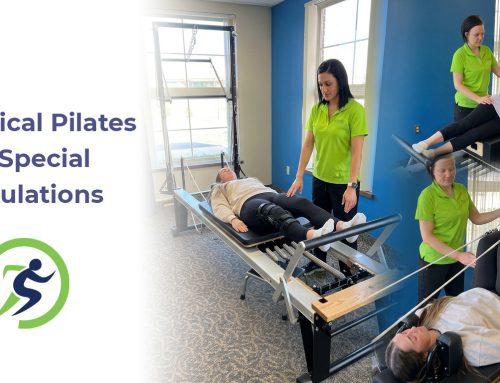
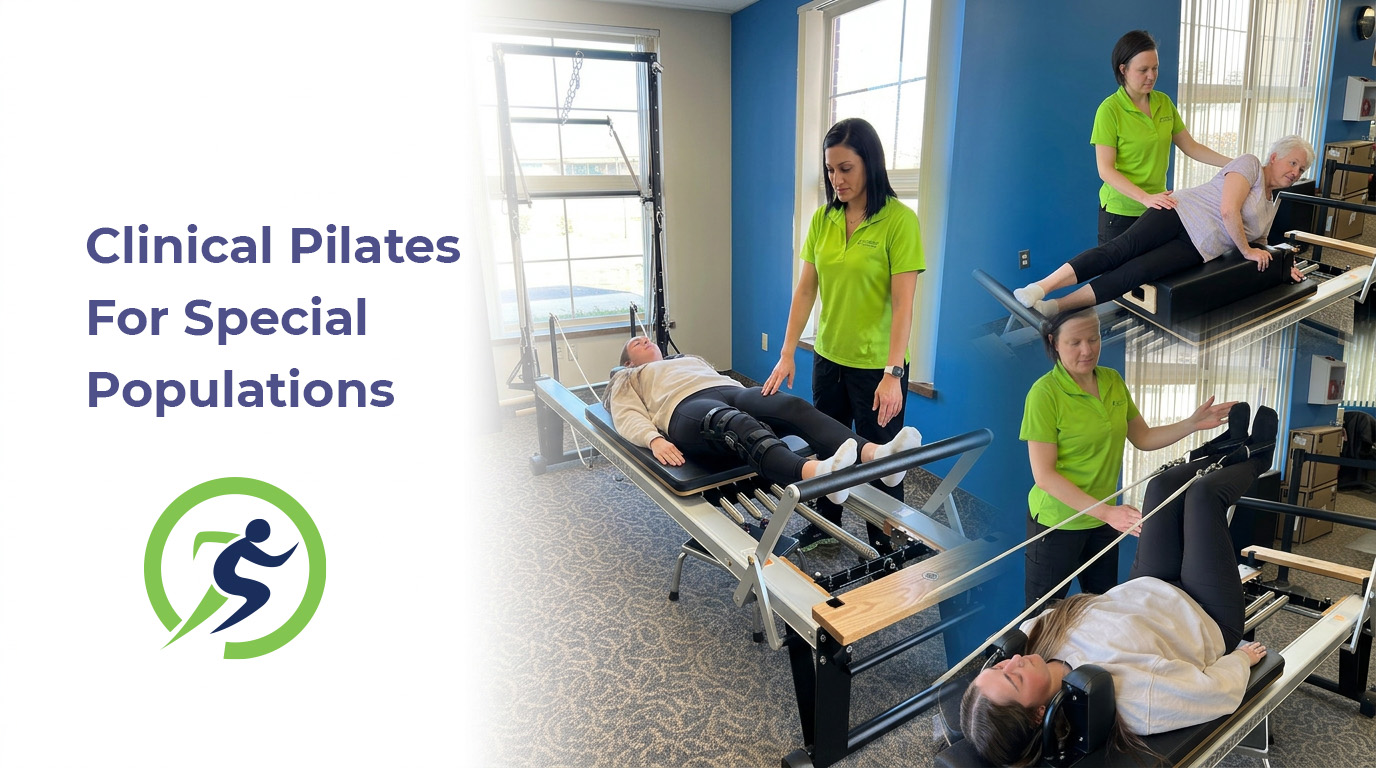
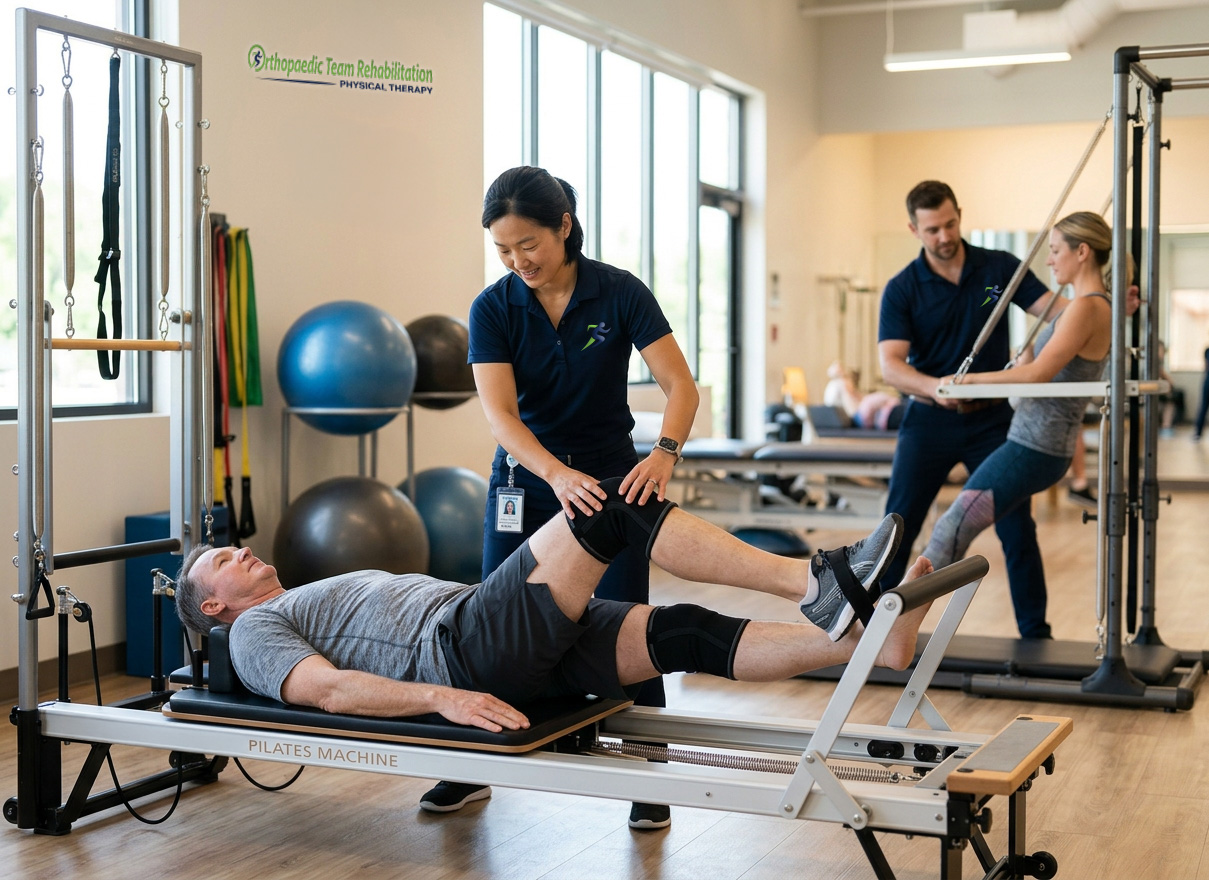
Clinical Pilates may benefit individuals who:
- Are recovering from surgery or injury
- Have chronic back, neck, or joint pain
- Want to improve balance and reduce fall risk
- Have osteoporosis or osteopenia
- Are pregnant or recovering after childbirth
- Have neurological conditions affecting movement
- Want to safely improve strength, flexibility, and mobility
A physical therapist may assess posture, neck mobility, muscle tightness, joint movement, strength, movement mechanics, and daily activity patterns to identify factors contributing to headache symptoms.
Prolonged computer use, desk work, poor workstation setup, and repetitive movements may place stress on the neck and upper back, increasing the likelihood of tension headaches.
Yes. Many tension headaches are linked to neck dysfunction and muscle tightness. Physical therapy often focuses on improving neck mobility and reducing muscular strain that contributes to both headaches and neck pain.
Yes. Tension headaches are typically described as a dull, pressure-like pain, while migraines may include throbbing pain, nausea, light sensitivity, and more severe neurological symptoms. A healthcare professional can help determine the cause of headache symptoms.
Yes. Physical therapy not only treats current symptoms but also helps improve movement patterns, posture, muscle strength, and flexibility to reduce the likelihood of recurring headaches.
Recovery times vary depending on the severity and underlying cause of symptoms. Some individuals notice improvement within a few visits, while others may require a longer treatment plan focused on posture correction, strength, and mobility.
Individuals experiencing recurring headaches, neck pain, muscle tightness, posture-related discomfort, or headaches triggered by work or daily activities may benefit from a physical therapy evaluation.
Yes. Stress can increase muscle tension throughout the neck, shoulders, and upper back, which may contribute to headache symptoms and neck discomfort.
Manual therapy involves hands-on treatment techniques used by physical therapists to improve joint mobility, reduce muscle tightness, ease stiffness, and decrease pain in the neck and upper back.
Exercises that improve neck mobility, posture, shoulder stability, upper back strength, and flexibility may help reduce muscle tension and improve overall movement patterns related to headaches.
Yes. Poor posture, especially forward head posture and prolonged sitting, can place stress on the neck and upper back muscles, contributing to tension headaches and neck pain.
Physical therapists use techniques such as manual therapy, posture correction, stretching, strengthening exercises, mobility training, and ergonomic education to address the underlying causes of tension headaches.
Tension headaches often cause dull or aching pain, pressure around the forehead or back of the head, neck tightness, shoulder tension, and tenderness in the muscles surrounding the neck and upper back.
Tension headaches are commonly associated with muscle tension, stress, poor posture, neck strain, jaw tension, repetitive movement patterns, and prolonged sitting or computer use.
Yes. Physical therapy can help reduce the frequency and intensity of tension headaches by addressing muscle tightness, poor posture, neck stiffness, and movement dysfunction that may contribute to headache symptoms.



Leave A Comment