
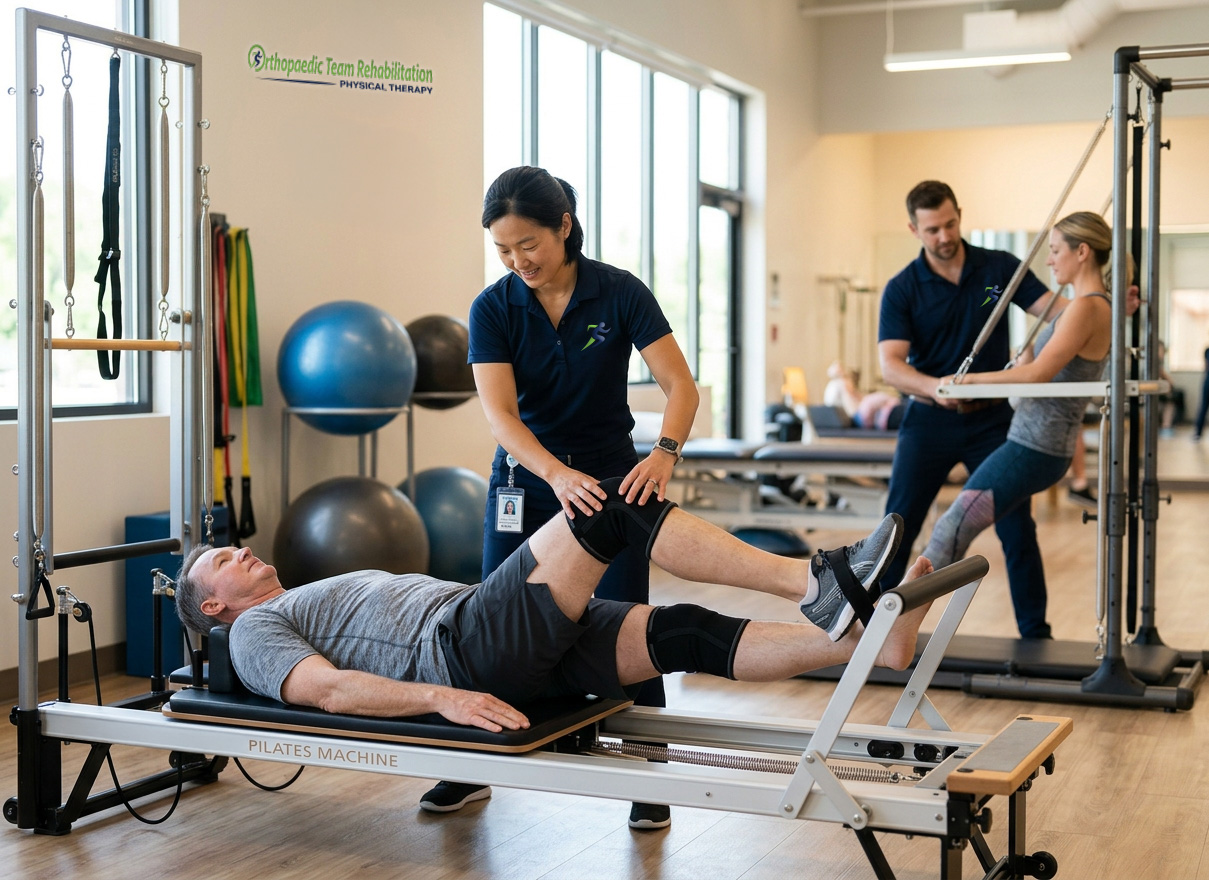
Learn 5 ways physical therapy and Clinical Pilates can improve strength, mobility, and movement quality, and why some knee rehabilitation patients travel more than 10 miles for this specialized approach in Warren, MI.
By Melissa Orille, DPT, with David Steinberg, Senior Writer, PTRM
In this article: Knee pain can make everyday activities like walking, climbing stairs, exercising, and even sitting for long periods uncomfortable. This article explains how physical therapy and Clinical Pilates can work together to reduce knee pain, improve strength and mobility, restore movement patterns, and help people return to the activities they enjoy with greater confidence and less discomfort.
Quick Facts About Knee Pain & Clinical Pilates
Understanding the underlying cause of knee pain is an important first step in developing an effective rehabilitation plan.
Knee pain can make everyday activities such as walking, climbing stairs, exercising, or even getting out of a chair unexpectedly difficult. For many people, the discomfort extends beyond the knee itself, affecting confidence, mobility, and overall quality of life. While some assume knee pain is simply a part of aging or an unavoidable consequence of an active lifestyle, effective treatment often begins by identifying and addressing the factors contributing to the problem.
Physical therapy has long been recognized as a proven approach for improving strength, movement, flexibility, and function. Increasingly, some rehabilitation programs are also incorporating Clinical Pilates to help patients improve body awareness, stability, balance, and movement control. By combining evidence-based physical therapy with the principles of Clinical Pilates, patients may develop the strength and movement patterns needed to support healthier, more comfortable knee function.
At Orthopaedic Team Rehabilitation in Warren, MI, this integrated approach has become a valuable option for patients seeking more than a traditional exercise program. In fact, some knee rehabilitation patients travel more than 10 miles to work with a Doctor of Physical Therapy who incorporates Clinical Pilates into personalized treatment plans designed to address the whole body, not just the painful joint.
In this article, we’ll explore five ways physical therapy and Clinical Pilates can help relieve knee pain, improve mobility, and support a safer return to the activities you enjoy most.
When Knee Pain Becomes Too Hard to Ignore
Knee pain becomes too difficult to ignore as it progresses because the joint is involved in so many essential daily activities. Whether you are walking through the grocery store, climbing stairs, exercising, or simply standing for long periods, your knees are constantly working to support your body and absorb force.
Knee pain affects people of all ages. Athletes may experience symptoms related to overuse, training demands, or sports injuries, while older adults often face pain associated with joint degeneration, decreased flexibility, or reduced strength. Even people who are not particularly active can develop knee pain due to muscle imbalances, movement patterns, or prolonged periods of sitting.
One reason knee pain is so common is the amount of stress placed on the joint over time. Everyday activities create repeated loading through the knees. When the surrounding muscles are weak, tight, or not working efficiently together, the joint often absorbs more stress than it was designed to handle. Over time, this can contribute to irritation, stiffness, swelling, and discomfort during movement.
1. Targeted Strengthening for Better Knee Support
One of the primary ways physical therapy helps with knee pain is by improving strength, stability, and movement control around the joint. The knee depends on the muscles above and below it to provide support, guide movement, and absorb force efficiently during daily activities. When these muscles become weak or underactive, the knee itself often experiences increased stress.
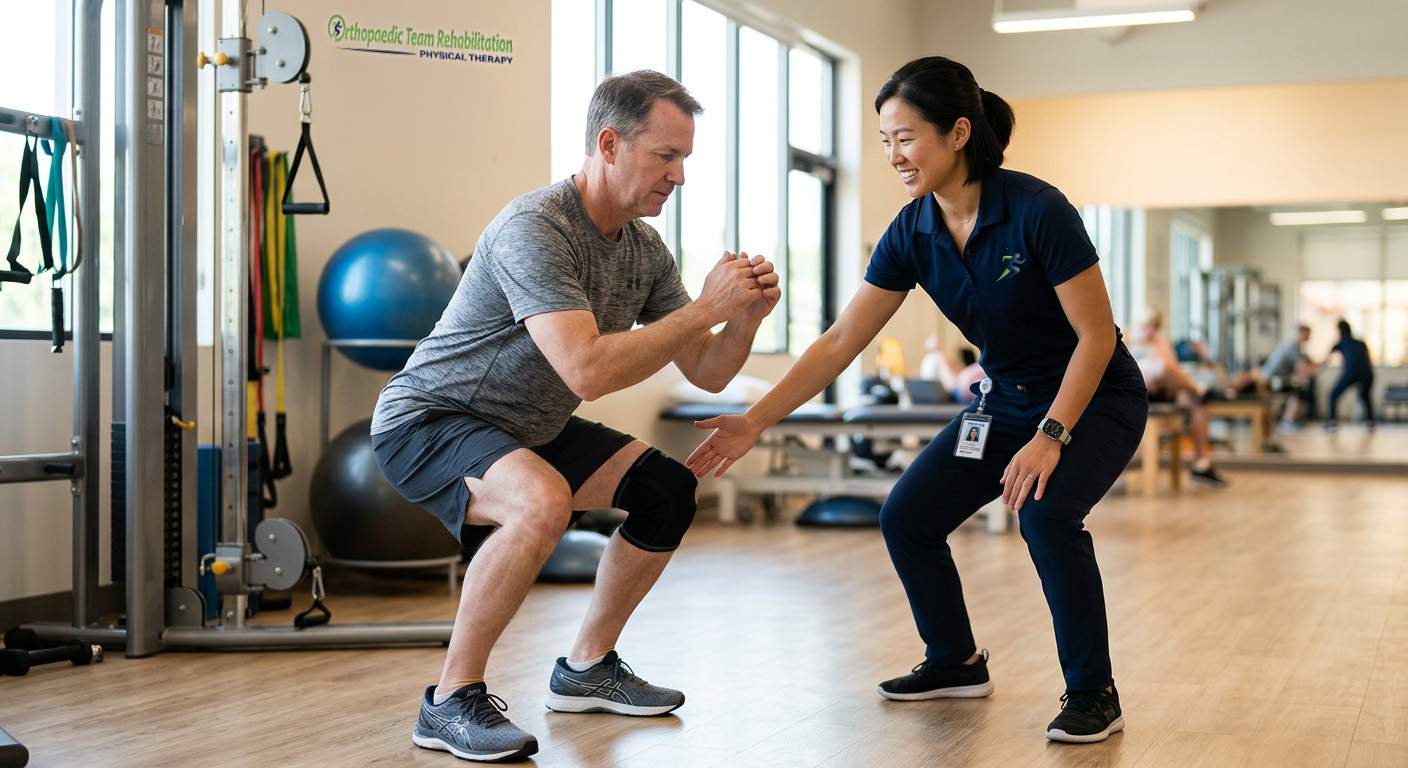
Physical therapy programs commonly focus on strengthening the quadriceps, hamstrings, and gluteal muscles, while Clinical Pilates can help reinforce how those muscles work together during movement. This combination allows patients to build strength while improving balance, body awareness, and control throughout the entire kinetic chain.
The quadriceps help control movements such as standing up, sitting down, climbing stairs, and lowering the body during squats. The hamstrings contribute to knee stability and support bending activities. The gluteal muscles help control the position of the hips and pelvis, which directly influences how the knee moves during walking, running, squatting, and other daily activities. Clinical Pilates further enhances these muscle groups by emphasizing proper alignment, core engagement, and efficient movement patterns that reduce unnecessary stress on the knee.
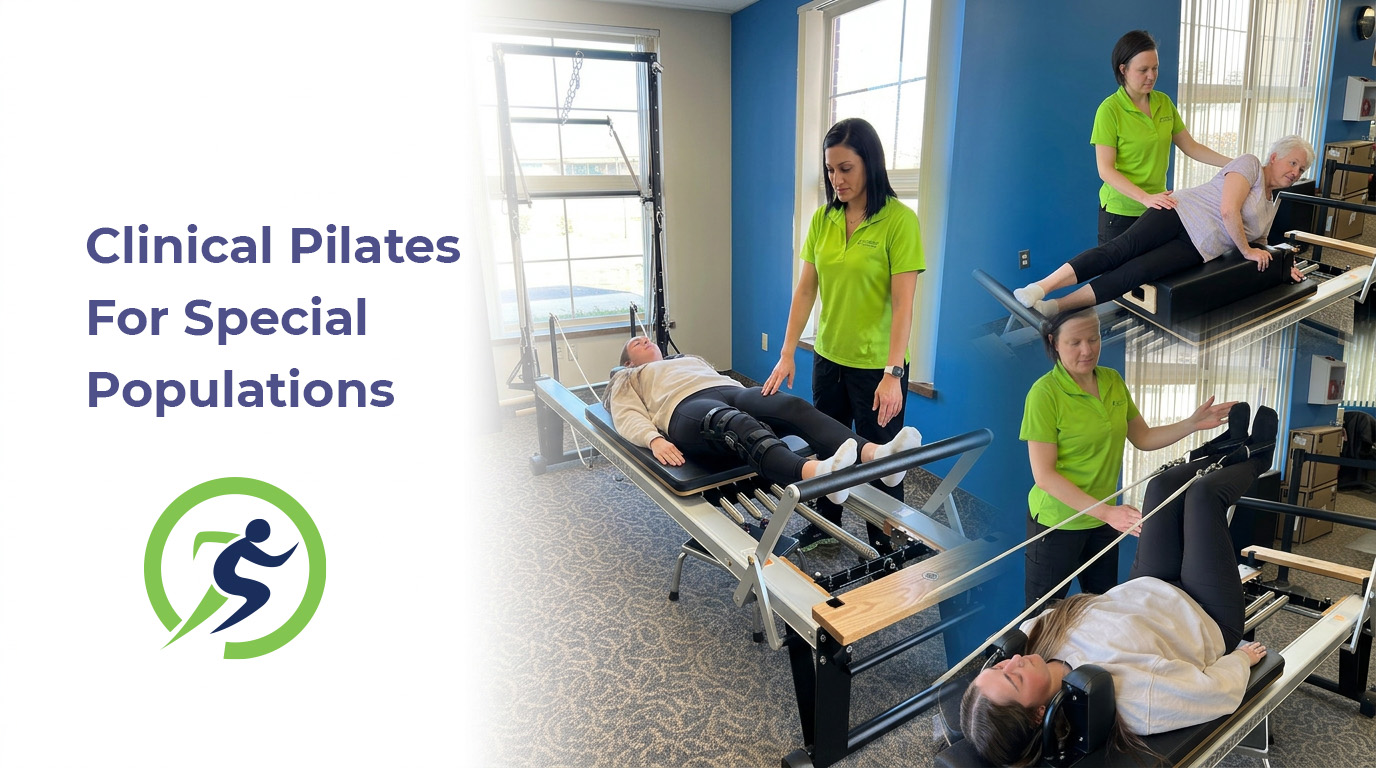
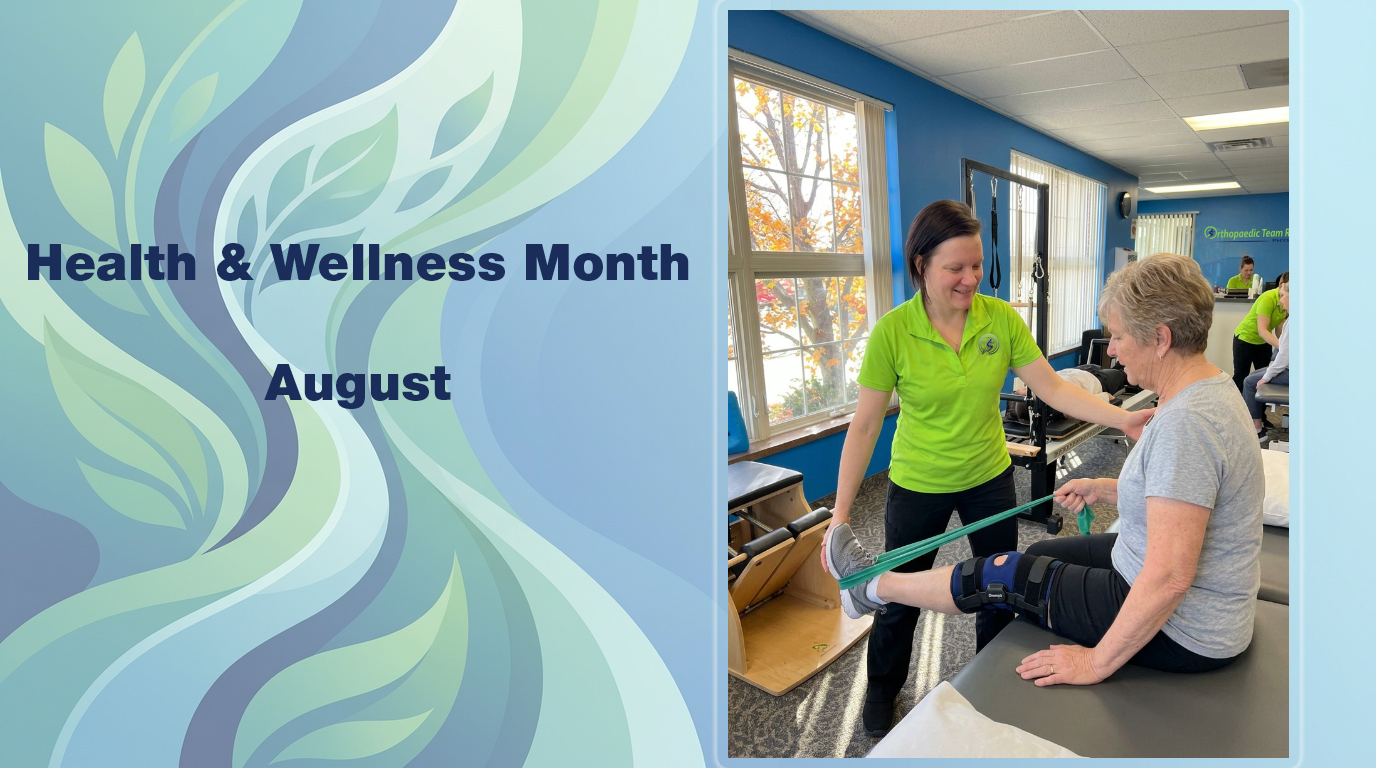
A physical therapist may begin with simple exercises designed to improve muscle activation and gradually progress toward more challenging movements. As symptoms improve, treatment may include standing exercises, balance activities, step training, resistance exercises, and sport-specific drills. For appropriate patients, Pilates-based exercises and Reformer training may also be incorporated to improve stability, coordination, and movement quality in a controlled, low-impact environment.
The goal is not simply to increase strength, but to improve support, control, and confidence during the specific movements that contribute to symptoms. By combining traditional physical therapy with Clinical Pilates principles, patients can develop stronger movement foundations that support both recovery and long-term knee health.
2. Gait Training and Better Movement Mechanics
Physical therapy can also help by identifying movement patterns that place excessive stress on the knee joint. Many people develop compensations without realizing it. They may shift weight away from one side, allow the knee to collapse inward during a squat, or move in ways that place unnecessary strain on surrounding tissues.
These patterns may seem minor, but when repeated throughout daily activities, work responsibilities, exercise routines, or sports participation, they can contribute to ongoing discomfort and inefficient movement.
During an evaluation, a physical therapist may observe how you walk, squat, climb stairs, balance, run, or perform the activities that provoke your symptoms. When Clinical Pilates is incorporated into treatment, the assessment may also focus on core stability, pelvic alignment, posture, and movement control throughout the entire body. This comprehensive approach helps identify whether movement mechanics are contributing to the problem and where corrections can be made.
Helpful movement modifications may include:
- Learning to use the hips more effectively during squatting and stair climbing
- Improving foot and ankle control to reduce unnecessary knee stress
- Practicing softer landings during running and jumping activities
- Building single-leg stability and balance
- Improving core strength and postural control to support proper lower-extremity mechanics
- Correcting exercise technique to support recovery rather than aggravate symptoms
Clinical Pilates can be especially valuable in this phase of rehabilitation because it emphasizes controlled, precise movement patterns. Exercises performed on the mat or Reformer can help patients improve body awareness, alignment, balance, and coordination while reinforcing movement strategies that place less stress on the knee.
These improvements bridge the gap between therapy sessions and everyday life. Developing better movement patterns can often make daily activities feel easier, more efficient, and less painful. By combining traditional physical therapy with Clinical Pilates principles, patients can build movement habits that support both short-term recovery and long-term knee health.
3. Mobility, Flexibility, and Symptom Relief
Not all knee pain is caused by weakness. Stiffness and reduced mobility in the knee, hip, ankle, spine, or surrounding muscles can also affect how the body moves and distributes force. When certain areas lose mobility, the body often compensates elsewhere, which can place additional stress on the knee and contribute to ongoing symptoms.
When movement becomes restricted, other joints and tissues may work harder to make up for the limitation. Over time, these compensations can lead to inefficient movement patterns, increased joint stress, and discomfort during activities such as walking, squatting, exercising, or climbing stairs.
Physical therapy may incorporate stretching, mobility exercises, soft tissue techniques, joint mobilization, and range-of-motion activities designed to improve flexibility and restore comfortable movement. For example, limited ankle mobility can alter squat mechanics, while tight hip muscles may affect walking patterns, balance, and knee alignment.
Clinical Pilates can complement these treatments by promoting mobility through controlled, purposeful movement. Pilates-based exercises encourage patients to move through a comfortable range of motion while improving flexibility, posture, coordination, and body awareness. Reformer-based exercises can be particularly beneficial because they provide support and adjustable resistance, allowing patients to improve mobility without placing excessive stress on painful joints.
Rather than avoiding activity altogether, the goal is to identify the appropriate amount and type of movement for your stage of recovery. Many people benefit from learning how to stay active without repeatedly aggravating symptoms. Through a combination of physical therapy and Clinical Pilates, patients can often maintain movement, build confidence, and improve function while respecting the healing process.
Physical therapists often provide guidance on activity modification, pacing strategies, exercise progression, recovery techniques, and managing occasional flare-ups. These strategies help patients maintain a healthy level of activity while continuing to make progress. By improving flexibility, restoring movement, and teaching more efficient body mechanics, physical therapy and Clinical Pilates can help create a stronger foundation for long-term knee health.
4. Patient Education and a Personalized Home Program
Physical therapy extends far beyond what happens during scheduled appointments. Education plays a critical role in helping patients understand their condition, make informed decisions between visits, and take an active role in their recovery.
A physical therapist can explain factors contributing to symptoms, discuss safe activity levels, and provide guidance on returning to work, sports, exercise, and recreational activities. Understanding what is happening within the body can often reduce uncertainty, improve confidence, and make recovery feel more manageable.
For patients participating in Clinical Pilates, education also includes learning how posture, alignment, breathing, core engagement, and movement habits can influence knee health. Developing greater body awareness can help patients recognize inefficient movement patterns and make adjustments that reduce unnecessary stress on the joints during daily activities.
A personalized home exercise program helps reinforce progress made during treatment. Rather than relying on a generic list of exercises, the program should be tailored to a patient’s symptoms, goals, schedule, activity level, and stage of recovery. Depending on individual needs, the program may combine traditional therapeutic exercises with Pilates-inspired movements designed to improve strength, flexibility, stability, and movement control.
A well-designed home program often addresses questions such as:
- How often should exercises be performed?
- Which exercises are most important for my recovery?
- What level of discomfort is acceptable during activity?
- When should activity be reduced or modified?
- How can exercise and activity be progressed safely?
- What Pilates-based exercises can help improve movement quality between visits?
One advantage of incorporating Clinical Pilates into rehabilitation is that many of its principles can be practiced outside the clinic. Simple strategies related to posture, breathing, balance, core activation, and body mechanics can often be applied throughout the day, helping patients reinforce healthy movement habits during everyday activities.
Education also helps patients distinguish between normal exercise-related soreness and warning signs that may require additional attention. This understanding builds confidence, encourages long-term success, and helps patients take greater ownership of their recovery. Ultimately, the goal is not only to help patients feel better during treatment, but to provide the knowledge, skills, and movement strategies needed to support long-term knee health long after therapy has ended.
When Should You Seek Medical Evaluation?
Although physical therapy can help many types of knee pain, certain symptoms warrant prompt medical evaluation.
You should seek medical attention if you experience severe swelling, significant loss of motion, inability to bear weight, knee deformity, fever, signs of infection, numbness, calf swelling, or pain following a traumatic injury.
These symptoms do not automatically indicate a serious condition, but they should be evaluated to ensure an appropriate diagnosis and treatment plan. Once serious concerns have been ruled out, physical therapy may still play an important role in recovery.
The Practical Takeaway
When people talk about the benefits of physical therapy for knee pain, they are often referring to a combination of factors that help the body move more efficiently and comfortably. Effective knee rehabilitation typically includes targeted strengthening, improved movement mechanics, enhanced mobility, Clinical Pilates-based movement training, and patient education that supports long-term success.
By addressing these areas together, physical therapy and Clinical Pilates can help reduce stress on the knee, improve daily function, and build greater confidence in movement. Rather than focusing solely on the painful joint, this comprehensive approach considers how the hips, core, ankles, posture, balance, and overall movement patterns contribute to knee health. The result is a treatment strategy designed not only to relieve symptoms but also to improve the way the body moves as a whole.
Whether your knee pain developed gradually over time, resulted from an injury, or has recently begun affecting your daily routine, understanding the factors contributing to your symptoms is often the first step toward meaningful improvement. For some patients, combining traditional physical therapy with Clinical Pilates provides an opportunity to strengthen the body, improve movement quality, and return to activities with greater comfort and confidence.
If knee pain is interfering with your work, exercise routine, hobbies, or everyday activities, consider speaking with a qualified healthcare professional or physical therapist. Early intervention may help prevent symptoms from becoming more limiting and provide a clearer path toward recovery. At Orthopaedic Team Rehabilitation, patients benefit from a personalized approach that combines evidence-based physical therapy with Clinical Pilates principles to support lasting improvements in strength, mobility, and overall movement health.
Frequently Asked Questions About Physical Therapy for Knee Pain
Clinical Pilates may benefit individuals who:
- Are recovering from surgery or injury
- Have chronic back, neck, or joint pain
- Want to improve balance and reduce fall risk
- Have osteoporosis or osteopenia
- Are pregnant or recovering after childbirth
- Have neurological conditions affecting movement
- Want to safely improve strength, flexibility, and mobility
Mild soreness after physical therapy is often a normal response, especially when muscles and joints are being challenged in new ways. Similar to starting a new exercise program, some temporary discomfort can occur as the body adapts to increased activity and strengthening exercises. However, soreness should generally be manageable and improve within a day or two. Severe pain, significant swelling, or symptoms that continue to worsen should be discussed with your physical therapist so the treatment plan can be adjusted if needed. Open communication helps ensure that exercises remain effective while supporting a safe and gradual recovery process.
Your initial visit typically begins with a discussion of your symptoms, medical history, activity level, and personal goals. The physical therapist will then perform a comprehensive evaluation that may include assessments of strength, flexibility, balance, walking mechanics, range of motion, and functional activities such as squatting or stair climbing. This process helps identify factors that may be contributing to your knee pain and guides the development of an individualized treatment plan. Many patients also receive initial exercises or recommendations to start working on immediately. The goal of the first visit is not only to begin treatment but also to provide a clear understanding of the path forward.
In some situations, physical therapy may help patients manage symptoms well enough to delay or avoid surgical intervention. Strengthening muscles, improving movement patterns, increasing mobility, and reducing irritation within the joint can significantly improve function for certain conditions. However, not every knee problem can be resolved without surgery. Factors such as the type of injury, severity of tissue damage, and individual goals all influence treatment recommendations. A healthcare provider can help determine whether conservative care, including physical therapy, is an appropriate first step before considering surgical options.
The length of treatment depends on several factors, including the underlying condition, symptom severity, overall health, and the patient’s goals. Some individuals notice improvements within a few weeks, while others may require a longer period of rehabilitation to restore strength, mobility, and function. Patients recovering from surgery, significant injuries, or chronic conditions often need more extensive treatment than those dealing with mild overuse symptoms. Regular participation in home exercises can also influence progress and recovery timelines. During an evaluation, a physical therapist can provide a more accurate expectation based on your specific condition and functional needs.
Physical therapy can be beneficial for many people experiencing chronic knee pain because it focuses on improving the factors that often contribute to ongoing symptoms. Rather than simply treating pain itself, physical therapists evaluate strength, flexibility, balance, movement patterns, and daily activities that may be placing excessive stress on the knee. Treatment plans are customized to address the individual’s specific limitations and goals. Over time, improvements in strength and movement quality can reduce strain on the joint and improve overall function. While results vary depending on the underlying cause of the pain, many patients experience meaningful improvements in comfort, mobility, and confidence with consistent participation in therapy.



Leave A Comment