
Discover how physical therapy can relieve pain, improve mobility, prevent injuries, and support lifelong health and wellness.
By Jessica Keown, PTA, with David Steinberg, Senior Writer, PTRM
In this article: Physical therapy is more than a tool for recovering from an injury—it can help people manage pain, improve mobility, reduce injury risk, and stay active at every stage of life. This article explains how personalized movement, exercise, education, and hands-on care can support long-term health, confidence, and independence.
Quick Facts About Plantar Fasciitis
August is National Wellness Month, a time to focus on self-care, stress management, and healthy habits that support long-term well-being. While many people think of physical therapy as a treatment used after an injury or surgery, it can also play an important role in maintaining overall health and wellness.
Movement is one of the foundations of a healthy lifestyle. Regular physical activity helps improve strength, flexibility, endurance, and mobility. Whether you’re taking daily walks, practicing yoga, or participating in a fitness program, staying active can have a positive impact on your physical and mental health. Physical therapy takes these benefits a step further by providing personalized guidance and treatment that is tailored to your individual goals and needs.
Physical Therapy Can Help Relieve Chronic Pain
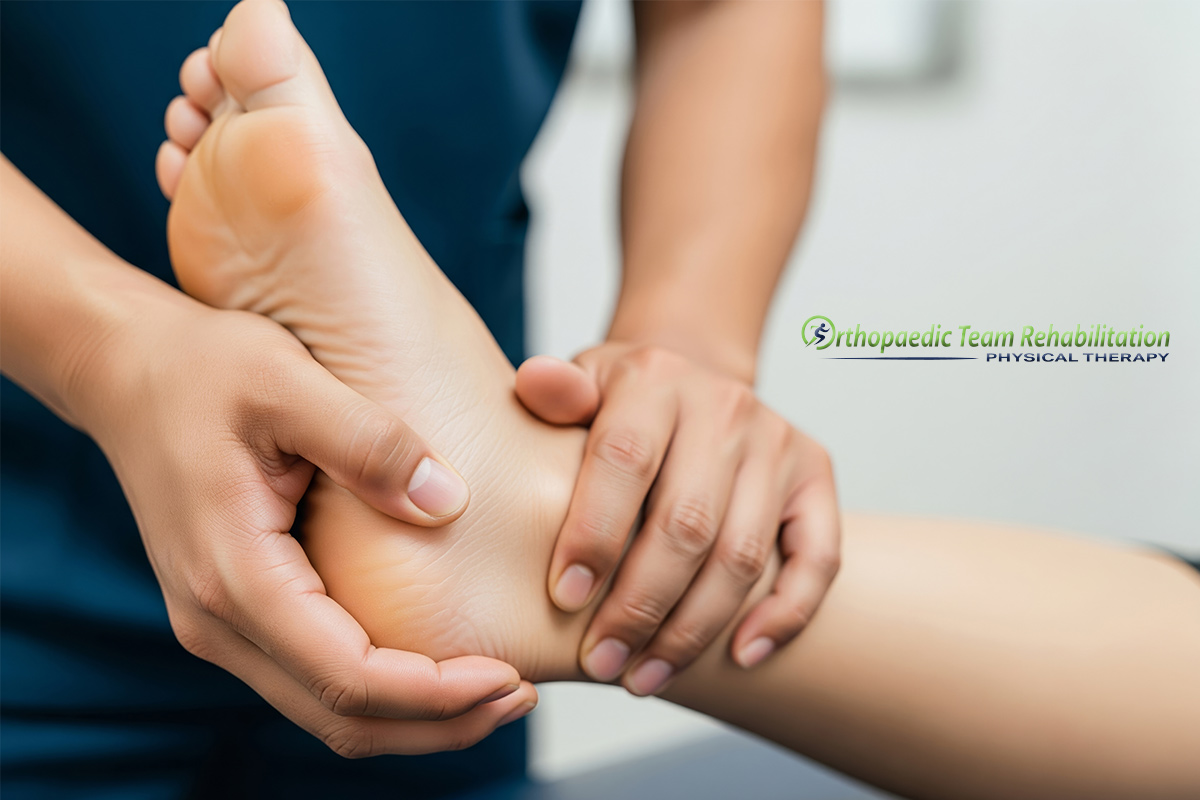
Chronic pain can make everyday activities difficult and negatively affect quality of life. Physical therapists identify the underlying causes of pain and develop treatment plans designed to improve movement and reduce discomfort. Through targeted exercises, hands-on techniques, and education, physical therapy can help manage conditions such as arthritis, back pain, neck pain, and joint pain without relying solely on medication.
Physical Therapy Can Improve Mobility and Restore Function
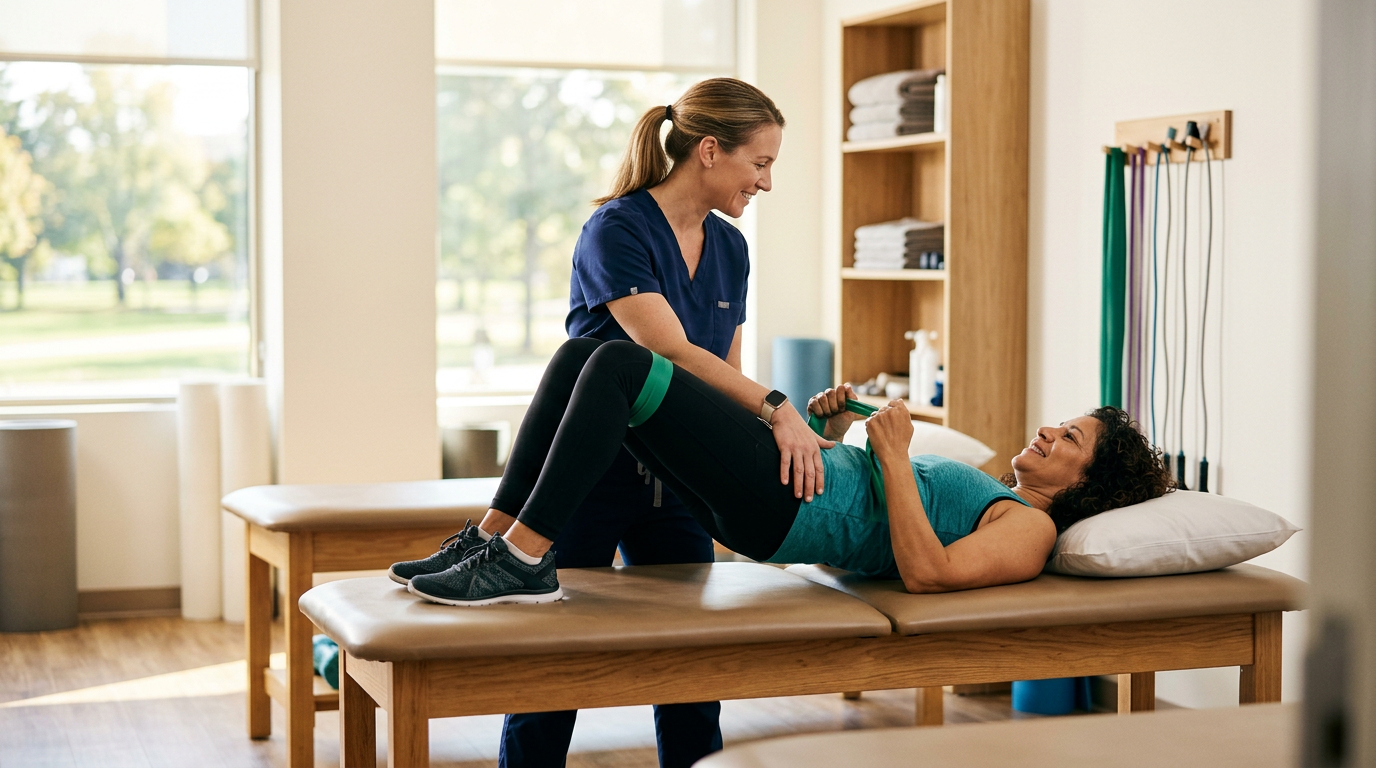
Limited mobility can affect everything from walking and climbing stairs to participating in favorite hobbies. Physical therapy helps improve flexibility, balance, coordination, and strength, allowing individuals to move more comfortably and confidently. Whether recovering from an injury or simply addressing age-related changes, physical therapy can help restore function and support an active lifestyle.
Physical Therapy Can Help Prevent Future Injuries
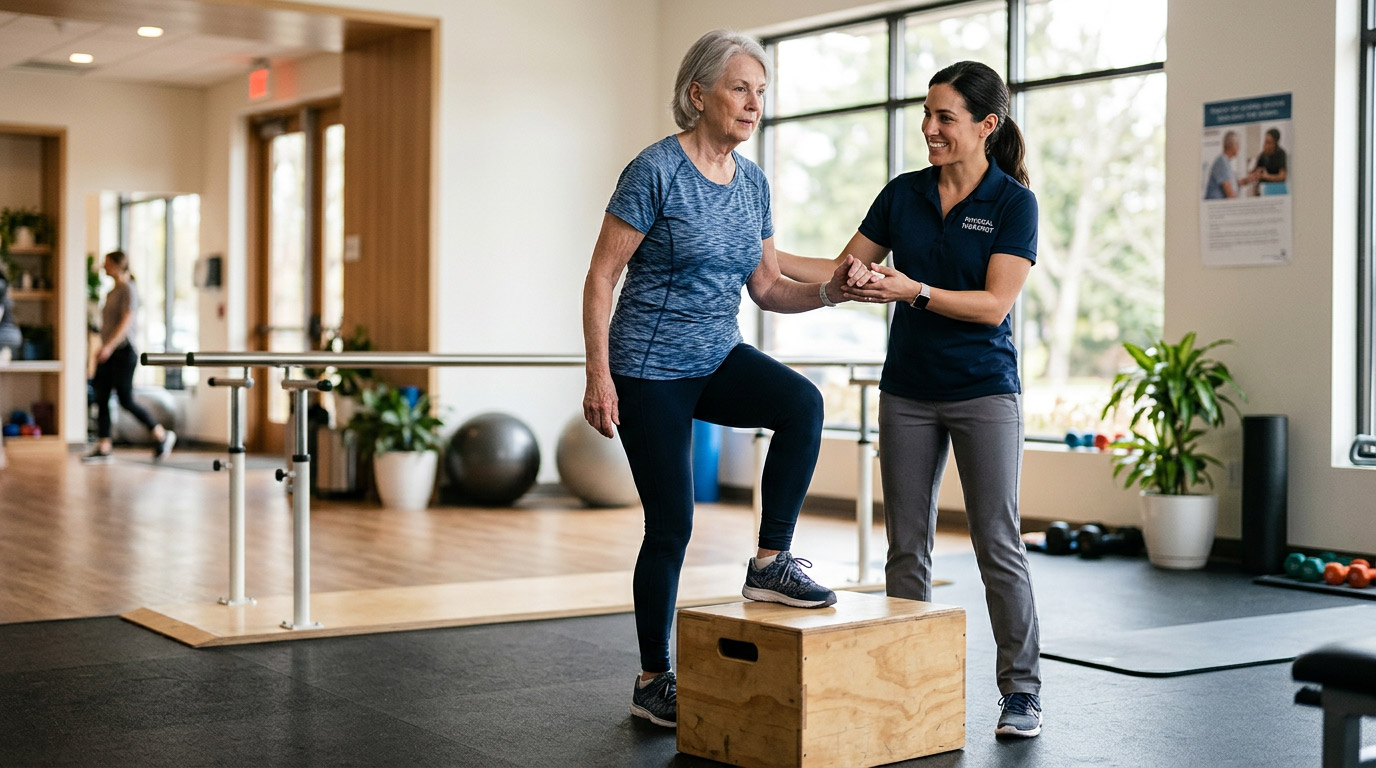
One of the most valuable aspects of physical therapy is injury prevention. A physical therapist can identify movement patterns, muscle imbalances, and areas of weakness that may increase the risk of injury. By addressing these issues through targeted exercises and education, patients can improve stability, enhance performance, and reduce the likelihood of future injuries.
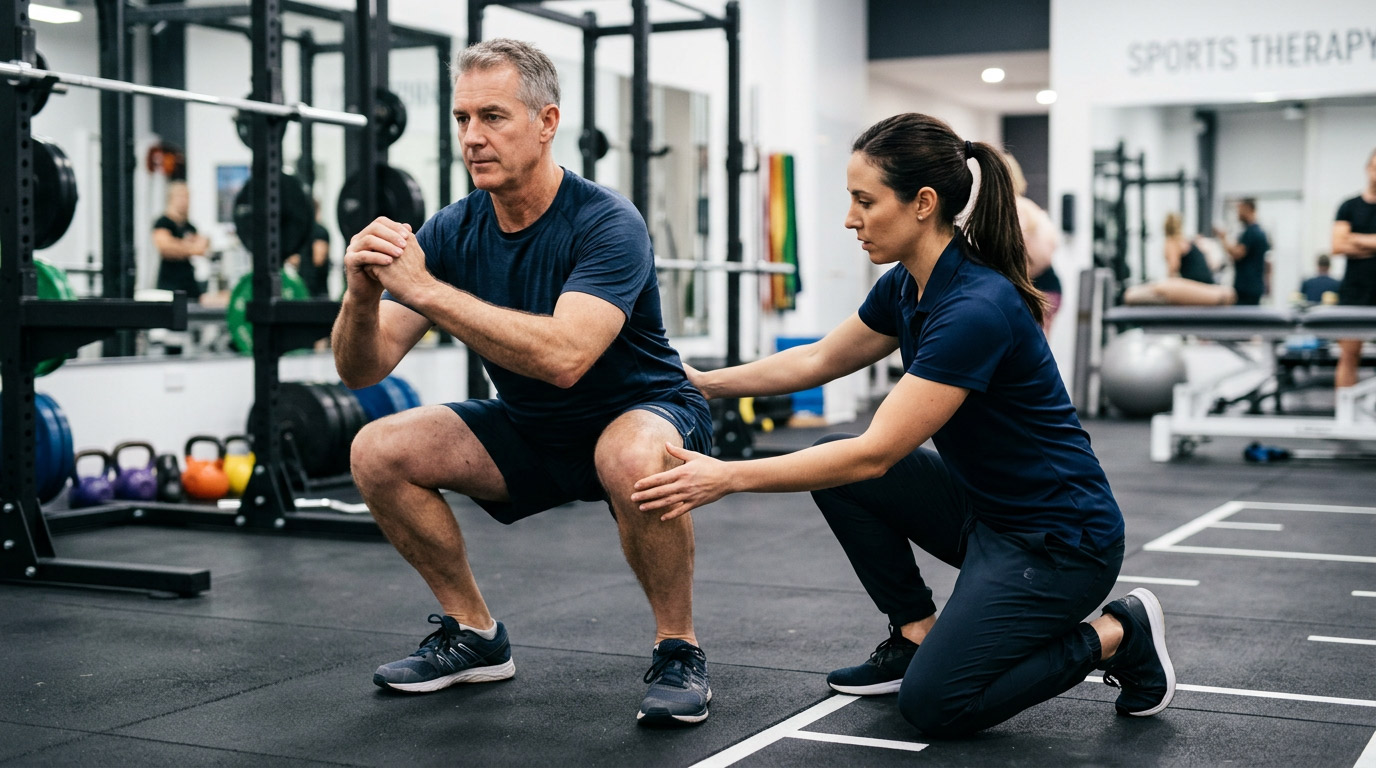
Physical Therapy Supports Mental Health and Stress Reduction
Physical activity is closely linked to mental well-being. Exercise helps release endorphins, which can improve mood and reduce stress. Participating in a physical therapy program often helps individuals feel more confident in their abilities while providing structure and achievable goals. As physical function improves, many people experience greater independence and an improved sense of overall well-being.

Physical Therapy Empowers Patients to Take Charge of Their Health
Education is a key component of physical therapy. Physical therapists teach patients how their bodies move, how to perform exercises safely, and how to make healthy choices that support long-term wellness. This knowledge empowers individuals to take an active role in their health and recovery, leading to better outcomes and lasting results.
Physical Therapy Benefits People of All Ages
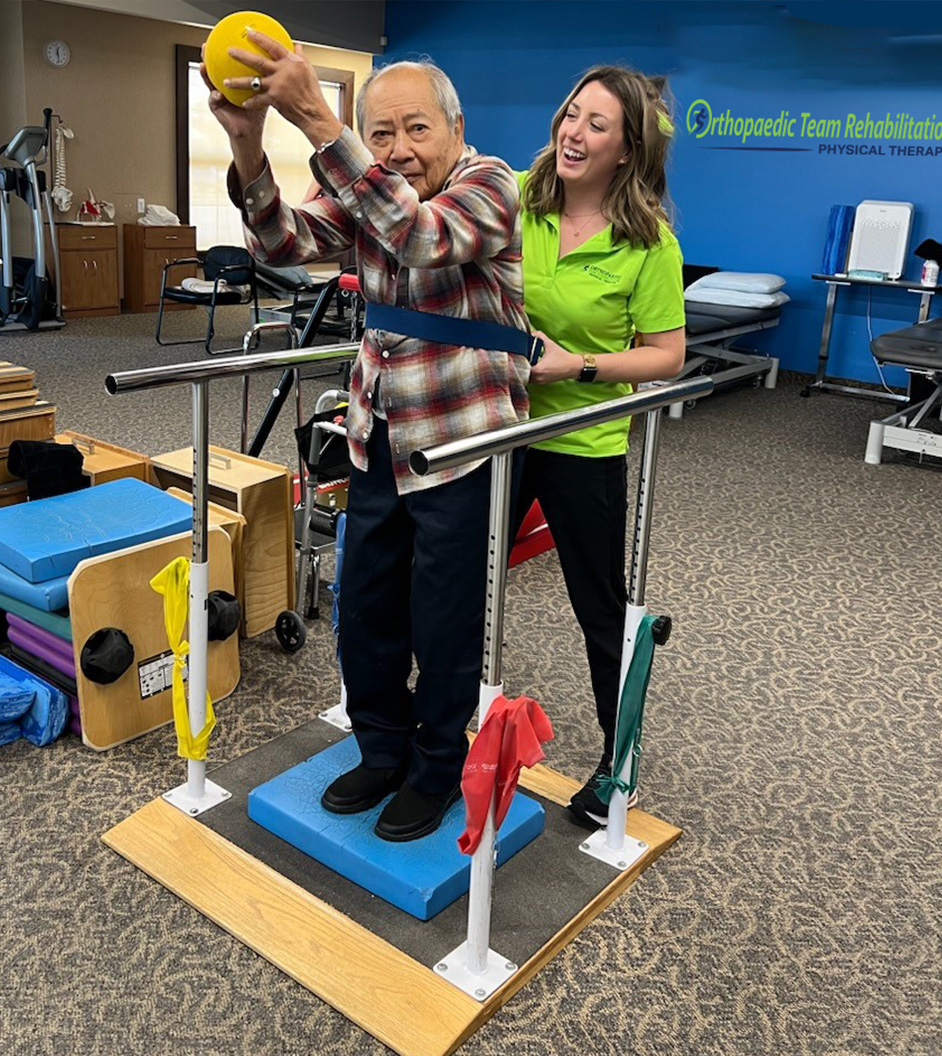
Physical therapy is beneficial for individuals throughout every stage of life. Children may receive therapy to address developmental challenges, adults often use physical therapy to stay active and recover from injuries, and older adults benefit from programs designed to improve balance, strength, and fall prevention. Because treatment is personalized, physical therapy can be adapted to meet the unique needs of each patient.
Investing in Your Long-Term Wellness
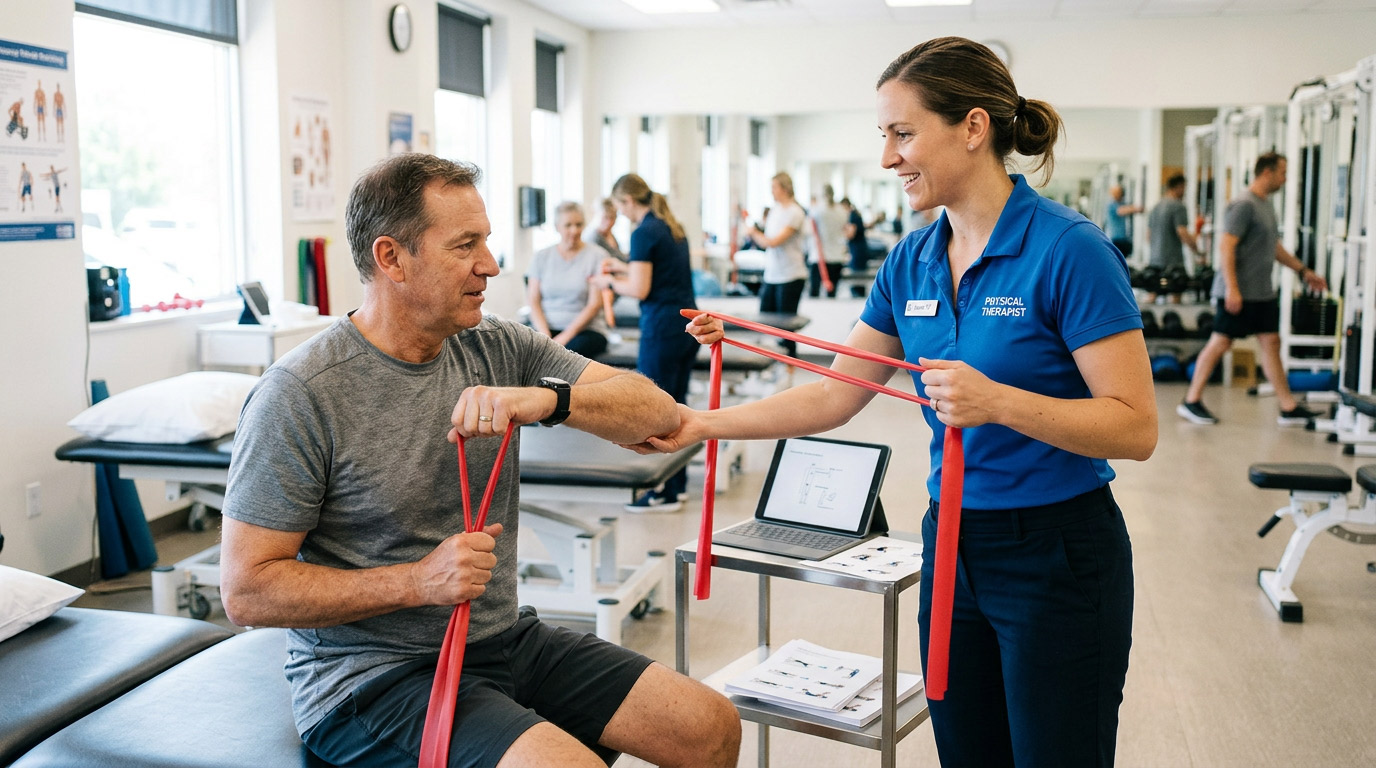
Regular physical activity benefits your physical, mental, and social health. Physical therapy builds on those benefits by providing expert guidance, individualized treatment, and strategies to help you move and feel your best. Beyond rehabilitation, physical therapy can strengthen muscles and joints, improve mobility, reduce pain, and help individuals maintain independence as they age.
This National Wellness Month, consider how physical therapy can support your overall health and wellness goals. Whether you’re looking to manage pain, improve mobility, prevent injuries, or simply stay active, physical therapy can help you build a healthier future.
Frequently Asked Questions About Physical Therapy for Health and Wellness
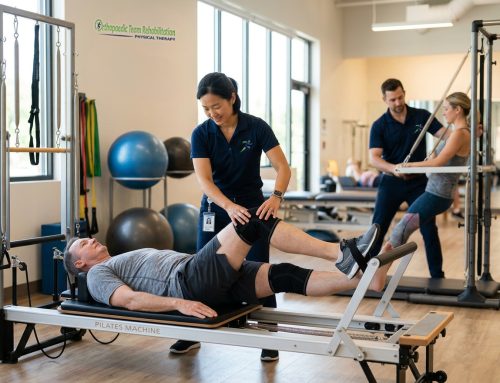
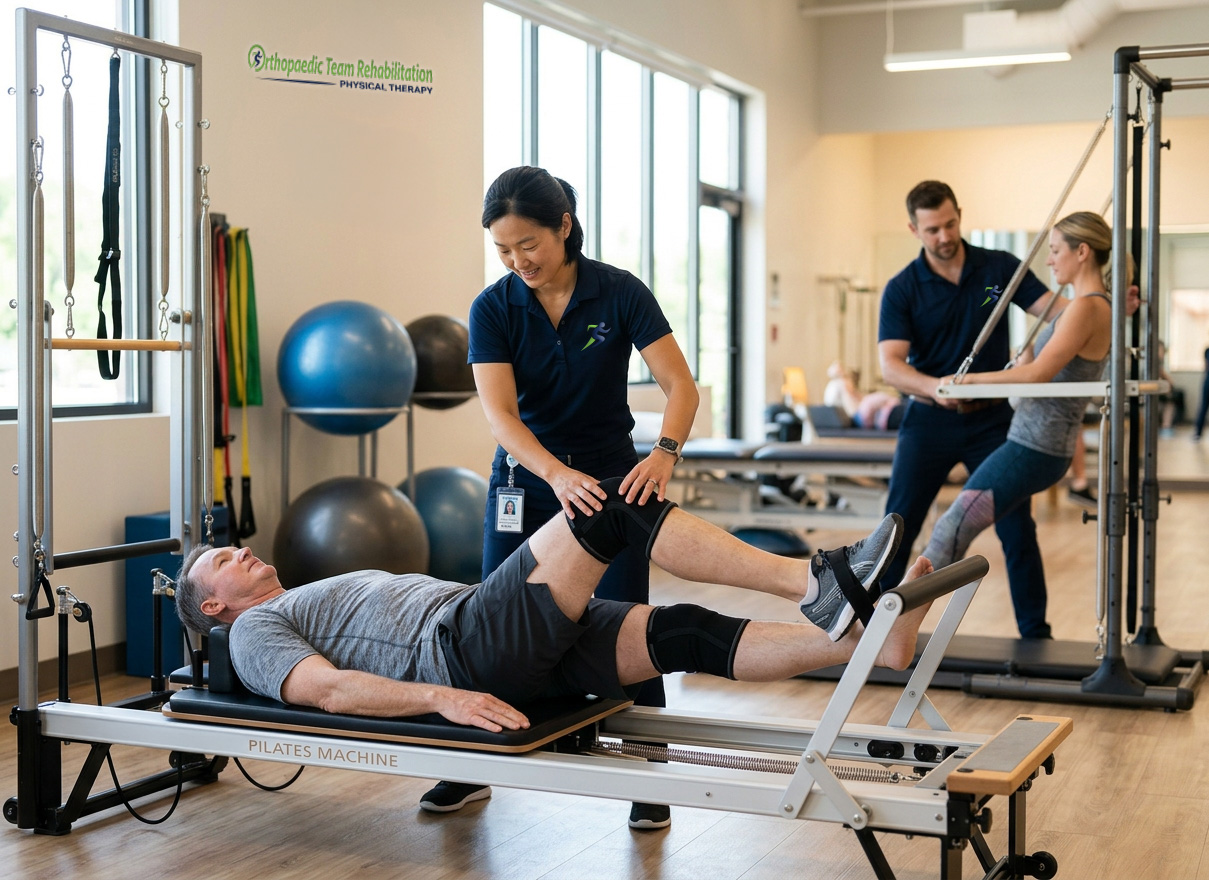
Clinical Pilates may help improve core control, posture, breathing mechanics, flexibility, and movement awareness, all of which can contribute to better spinal support. Many people find that a carefully progressed Pilates program helps them return to daily activities with greater comfort and confidence.
In many cases, yes. Clinical Pilates is designed to work within your current abilities and comfort level. Exercises can be modified based on pain, mobility restrictions, fatigue, or medical precautions. The goal is to help you move more confidently without aggravating symptoms.
Clinical Pilates may benefit individuals who:
- Are recovering from surgery or injury
- Have chronic back, neck, or joint pain
- Want to improve balance and reduce fall risk
- Have osteoporosis or osteopenia
- Are pregnant or recovering after childbirth
- Have neurological conditions affecting movement
- Want to safely improve strength, flexibility, and mobility
Clinical Pilates is not a replacement for physical therapy, but it can be an effective component of a physical therapy treatment plan. It is often used to improve strength, mobility, balance, posture, body awareness, and movement control during rehabilitation and recovery.
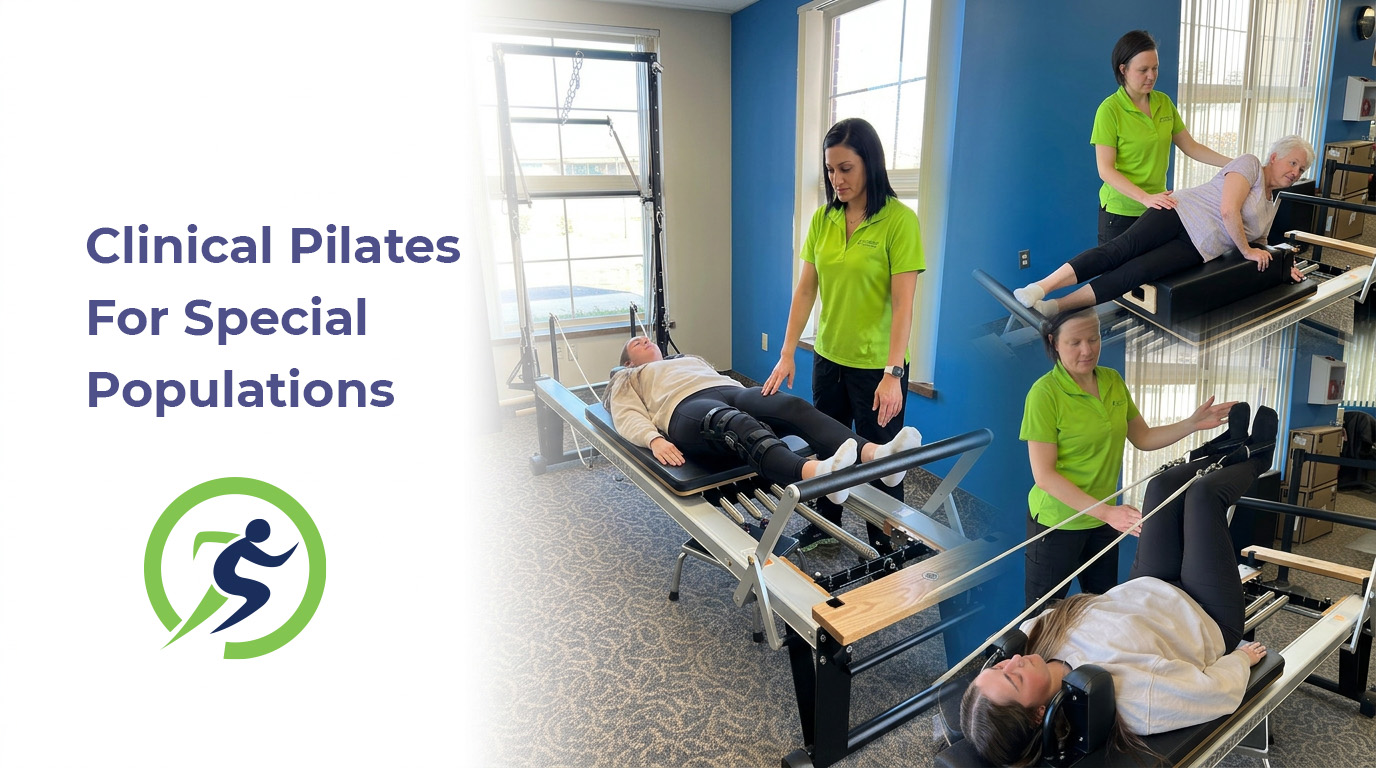
Traditional Pilates classes generally follow a set workout format for a group. Clinical Pilates is individualized and often guided by a physical therapist or Pilates-trained rehabilitation professional. Exercises are tailored to your condition, limitations, and goals, with modifications made as needed throughout the session.
Clinical Pilates is a personalized form of exercise that combines Pilates principles with rehabilitation concepts. Unlike a traditional Pilates class, exercises are selected and modified based on your medical history, symptoms, physical abilities, and treatment goals to support safe movement and recovery.
If pain, stiffness, weakness, or balance problems are keeping you from enjoying daily life, a conversation with our clinic is a good place to start. Our physical therapy team here in Warren, MI works with people throughout the local community—from active adults and student-athletes to older neighbors who want to remain steady, mobile, and independent. We’ll listen to your concerns, evaluate how you move, and recommend a personalized plan based on your lifestyle and goals. Whether you want to walk more comfortably, return to a favorite activity, prevent future injuries, or simply feel more confident moving, we’re here to help you take the next step.
A physical therapist will typically assess your movement, strength, mobility, balance, and goals before creating an individualized plan that may include exercises, education, and treatment techniques.
Physical activity can support mood and stress management. Making progress toward achievable movement goals may also help people feel more confident and independent.
Yes. Physical therapy can be adapted for people of all ages, including children with developmental or movement challenges and younger adults recovering from injuries or working toward fitness goals.


Leave A Comment