
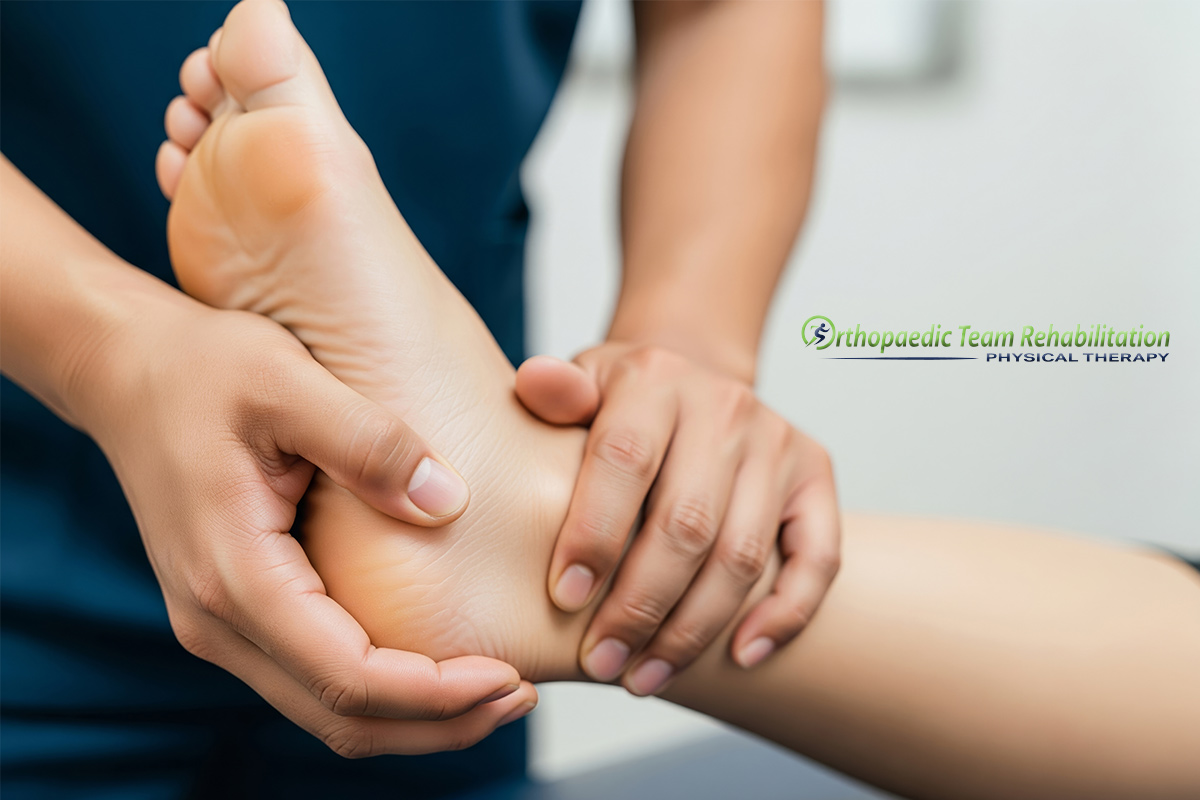
Discover effective plantar fasciitis treatment options and how physical therapy in Warren, MI can help relieve heel pain and restore function.
By Dr. Emily Upshur, PT, DPT with David Steinberg, Senior Writer, PTRM
In this article, we’ll explain what plantar fasciitis is, why it develops, and the symptoms that often accompany chronic heel pain. You’ll also learn how physical therapy can help reduce pain, improve mobility, address underlying causes, and support a safe return to work, exercise, and everyday activities.
Quick Facts About Plantar Fasciitis
If the bottom of your heel hurts when you take your first steps in the morning, after sitting for a while, or after a long day on your feet, plantar fasciitis may be part of the problem. It is one of the most common causes of heel pain and is often linked to irritation or overload of the strong band of tissue that supports the arch of the foot. (my.clevelandclinic.org)
The good news: plantar fasciitis is often treated without surgery, and physical therapy can play a major role in helping you move with less pain, understand what is stressing your foot, and build a plan that supports long-term recovery. The goal of PT is not just to "stretch your foot," but to identify why the tissue is irritated and help your body tolerate walking, standing, work, and exercise again.
Plantar fascia vs plantar fasciitis
Understanding plantar fascia vs plantar fasciitis can make the condition less confusing.
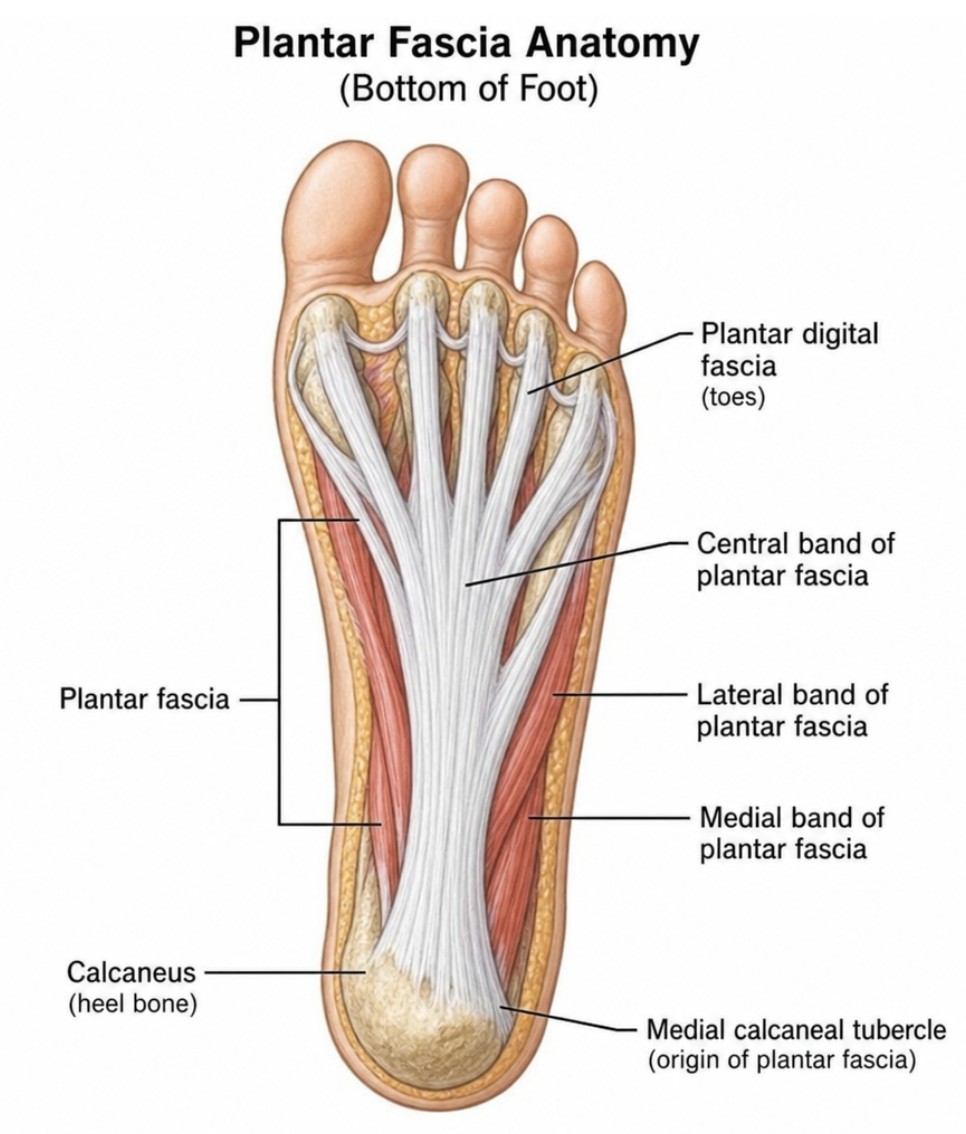
The plantar fascia is the thick connective tissue that runs along the bottom of your foot from the heel toward the toes. It helps support the arch and assists with the spring-like mechanics of walking.
Plantar fasciitis is the name commonly used when that tissue becomes painful, especially near the heel. Despite the "-itis" ending, which usually means inflammation, ongoing heel pain can also involve tissue irritation, sensitivity, or overload rather than simple inflammation alone. In practical terms, your PT will focus less on the label and more on what your foot can tolerate, what movements reproduce symptoms, and what changes help you improve.
What does plantar fasciitis feel like?
Plantar fasciitis pain is typically felt on the bottom of the heel or along the arch. Many people notice the sharpest pain with the first few steps after getting out of bed or after standing up from a chair. Pain may ease as you move around, then return after prolonged standing, walking, running, or being barefoot on hard surfaces. (my.clevelandclinic.org)
You may also notice:
- Heel tenderness when pressing on the bottom of the foot
- Tightness in the calf or Achilles area
- Pain that increases after a sudden jump in walking, running, or standing time
- Discomfort in unsupportive shoes or worn-out footwear
- Relief when wearing supportive shoes, using inserts, or reducing irritating activity
Heel pain can have other causes, so a physical therapist will screen your symptoms carefully. If your pain followed a fall, comes with significant swelling, numbness, fever, unexplained weight loss, or an inability to bear weight, it is important to seek medical evaluation.
Why does plantar fasciitis happen?
Plantar fasciitis often develops when the stress placed on the plantar fascia is greater than what the tissue is prepared to handle. That stress can come from a rapid increase in activity, long periods on hard floors, limited ankle mobility, calf tightness, foot and hip weakness, training errors, or footwear that does not support your foot well. Supportive footwear, stretching, and activity modification are commonly recommended as part of conservative care. (mayoclinic.org)
This does not mean you did something "wrong." It usually means your foot needs a better balance of load, recovery, strength, mobility, and support.
People who spend long hours standing for work, increase their walking or exercise routine too quickly, or wear unsupportive footwear may be at greater risk for developing plantar fasciitis. Runners, healthcare workers, teachers, warehouse employees, and others who spend significant time on their feet commonly experience this condition.
What will PT do for plantar fasciitis?
Physical therapy starts with a detailed evaluation. Your PT will ask about your symptoms, daily routine, work demands, exercise habits, shoes, previous injuries, and what makes the pain better or worse. Then they will assess how your foot, ankle, knee, hip, and walking mechanics are contributing to the problem.
A PT evaluation may include:
-
- Checking ankle range of motion, especially calf and Achilles mobility
- Testing foot, ankle, calf, hip, and core strength
- Looking at balance and single-leg control
- Watching how you walk, squat, step, or run if relevant
- Pressing specific areas of the heel and arch to identify sensitive tissue
- Reviewing your shoes, inserts, or work footwear
- Discussing your goals, such as pain-free walking, returning to running, or standing through a work shift
- From there, your therapist builds a treatment plan that fits your symptoms and lifestyle.
- Targeted Stretching for Plantar Fasciitis
Many people try calf stretches or roll their foot on a ball before seeing a PT. Those can help some people, but the right dosage matters. Too little may not change much. Too much, too soon, can irritate the tissue.
Physical therapists often use stretching programs that address both the calf muscles and the plantar fascia. AAOS notes that PT programs for plantar fasciitis may focus on stretching the calf muscles and plantar fascia, along with other treatments to reduce symptoms. (orthoinfo.aaos.org)
Your PT may teach you how to stretch:
-
- The calf with the knee straight
- The deeper calf muscle with the knee bent
- The plantar fascia by gently extending the toes
- The ankle and foot in ways that match your walking or sport needs
Most importantly, they should help you understand when to stretch, how long to hold, how often to do it, and how to adjust if symptoms flare.
Strengthening so the foot can handle more load
Stretching may reduce stiffness, but strengthening helps the foot and lower leg become more resilient. Plantar fasciitis often improves when the tissues gradually learn to tolerate more force.
Your PT may prescribe exercises such as:
-
- Toe and arch control drills
- Calf raises that progress over time
- Foot intrinsic strengthening
- Balance exercises
- Hip and glute strengthening
- Step-downs, squats, or gait drills if needed
Strength work is usually progressed carefully. For example, you might start with double-leg heel raises, then move to single-leg heel raises, then add slower tempo or load. The point is to build capacity without repeatedly provoking sharp heel pain.
Manual therapy and hands-on care
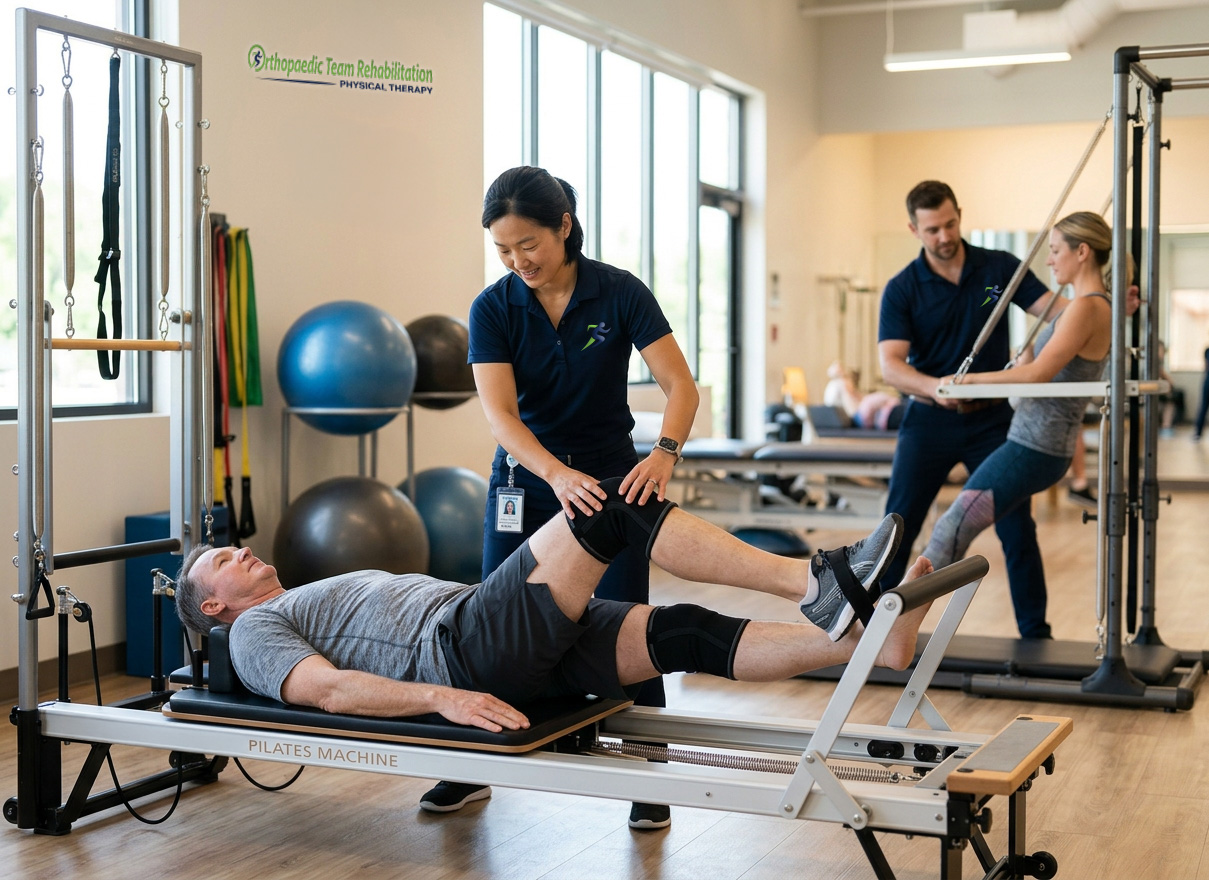
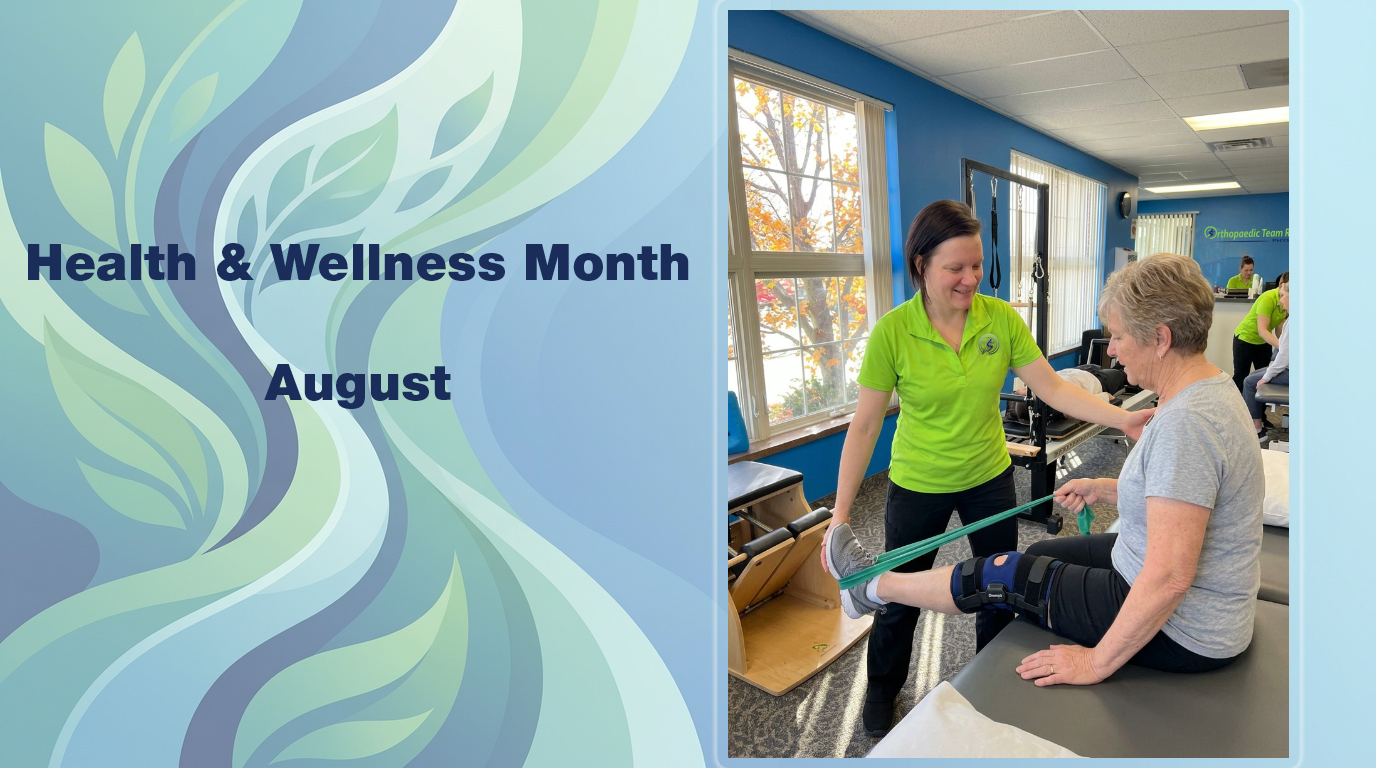
Hands-on treatment may be used to reduce pain, improve mobility, and help you move more comfortably. This can include soft tissue work to the calf and bottom of the foot, joint mobilization for the ankle or foot, or guided movement techniques.
Manual therapy is usually most helpful when paired with exercise and education. It can make movement feel easier, but your long-term improvement typically depends on learning how to manage load, strengthen the right areas, and return to activity gradually.
Footwear guidance: Choosing the right shoes for plantar fasciitis
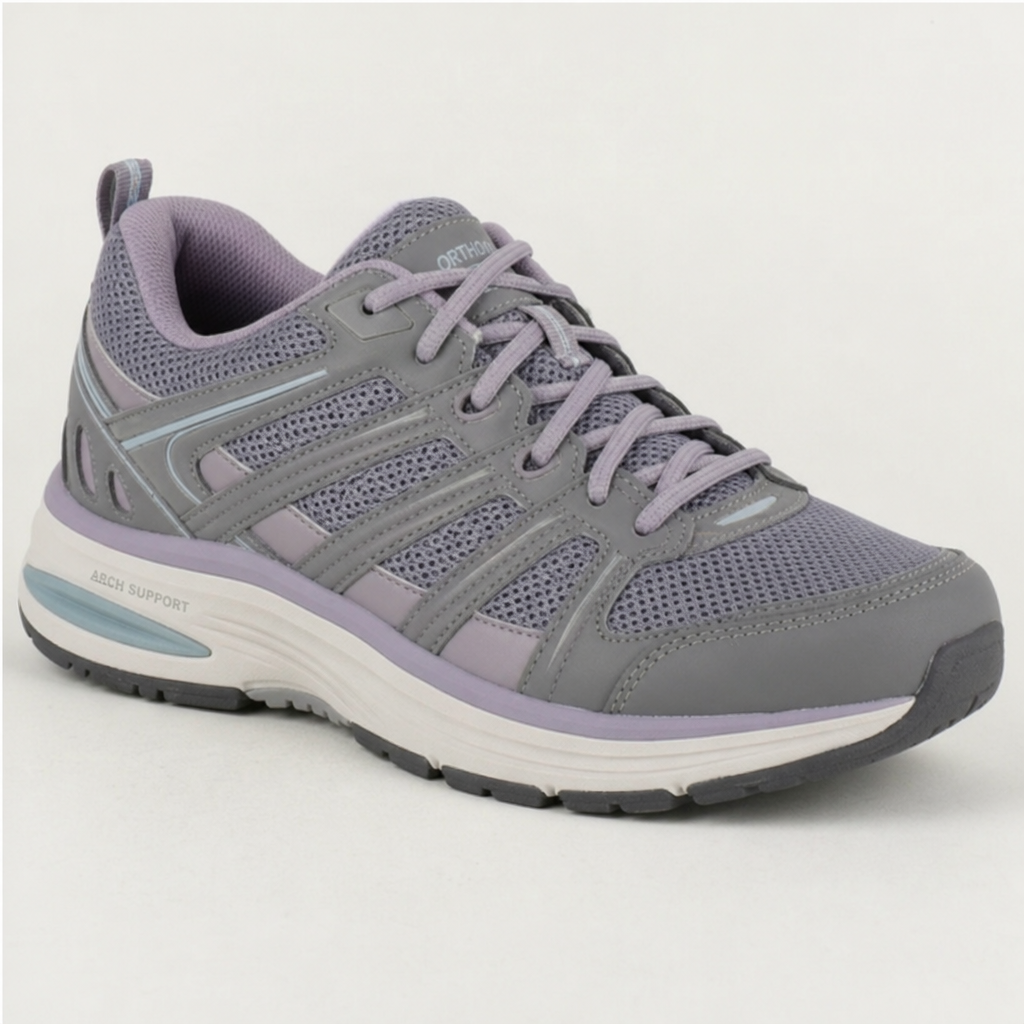
The best shoes for plantar fasciitis are not the same for every person, but they usually share a few features: good arch support, cushioning under the heel, a stable sole, and a comfortable fit that does not force your foot to grip or slide. Mayo Clinic recommends shoes with a low to moderate heel, thick soles, good arch support, and extra cushioning to help reduce plantar fasciitis pain. (mayoclinic.org)
Your PT can look at your current shoes and help you decide whether they are helping or hurting. They may recommend:
- Replacing worn-out shoes
- Avoiding long periods barefoot on hard floors
- Using supportive house shoes or sandals indoors
- Trying an over-the-counter insert or heel cup
- Choosing work shoes with better arch and heel support
- Gradually transitioning into new shoes rather than changing everything overnight
An experienced PT will not simply hand you a brand name and call it a plan. They will match footwear recommendations to your foot type, symptoms, job demands, walking volume, and activity goals.
Activity modification without giving up everything
Rest can calm symptoms, but complete rest is rarely the whole answer. Physical therapy helps you find the "just right" level of activity: enough movement to stay strong and mobile, but not so much that the heel is constantly irritated.
Your PT may help you adjust:
-
- Walking distance or pace
- Running frequency, surfaces, or mileage
- Standing breaks at work
- Exercise substitutions, such as biking or swimming temporarily
- Warm-up routines
- Recovery time between high-load days
The goal is to keep you active while giving the plantar fascia a better chance to recover.
How long does recovery take?
Recovery time varies. Some people feel better within a few weeks of consistent care, while others need several months, especially if symptoms have been present for a long time or daily demands keep aggravating the tissue. Conservative treatment often takes time, and supportive shoes, heel inserts, arch supports, stretching, and physical therapy are commonly used together. (sportsmedicine.mayoclinic.org)
While recovery timelines vary, staying consistent with your treatment plan is often one of the biggest predictors of success.
Your PT will track progress using practical markers, such as:
-
- Less morning pain
- Improved walking tolerance
- Less pain after work
- Better ankle mobility
- Stronger calf and foot muscles
- Ability to return to exercise with fewer flare-ups
When should you see a physical therapist?
Consider PT if heel pain lasts more than a couple of weeks, keeps returning, changes how you walk, limits exercise, or makes work and daily life harder. You do not have to wait until the pain is severe. Early guidance can help you avoid months of trial and error.
If heel pain lasts more than a few weeks, keeps returning, changes the way you walk, limits exercise, or makes work and daily activities difficult, it may be time to see a physical therapist. Early treatment can help address the source of the problem before symptoms become more persistent.
Physical therapy for plantar fasciitis focuses on reducing pain, improving mobility, restoring strength, and helping you return to the activities you enjoy. Rather than simply treating the painful area, your therapist will evaluate the entire movement system to identify factors contributing to ongoing heel pain.
If plantar fasciitis is affecting your daily life, contact Orthopaedic Team Rehabilitation Physical Therapy to schedule an evaluation. Our team can create a personalized treatment plan designed to relieve heel pain, restore function, and help you get back on your feet with confidence.
Frequently Asked Questions About Plantar Fasciitis
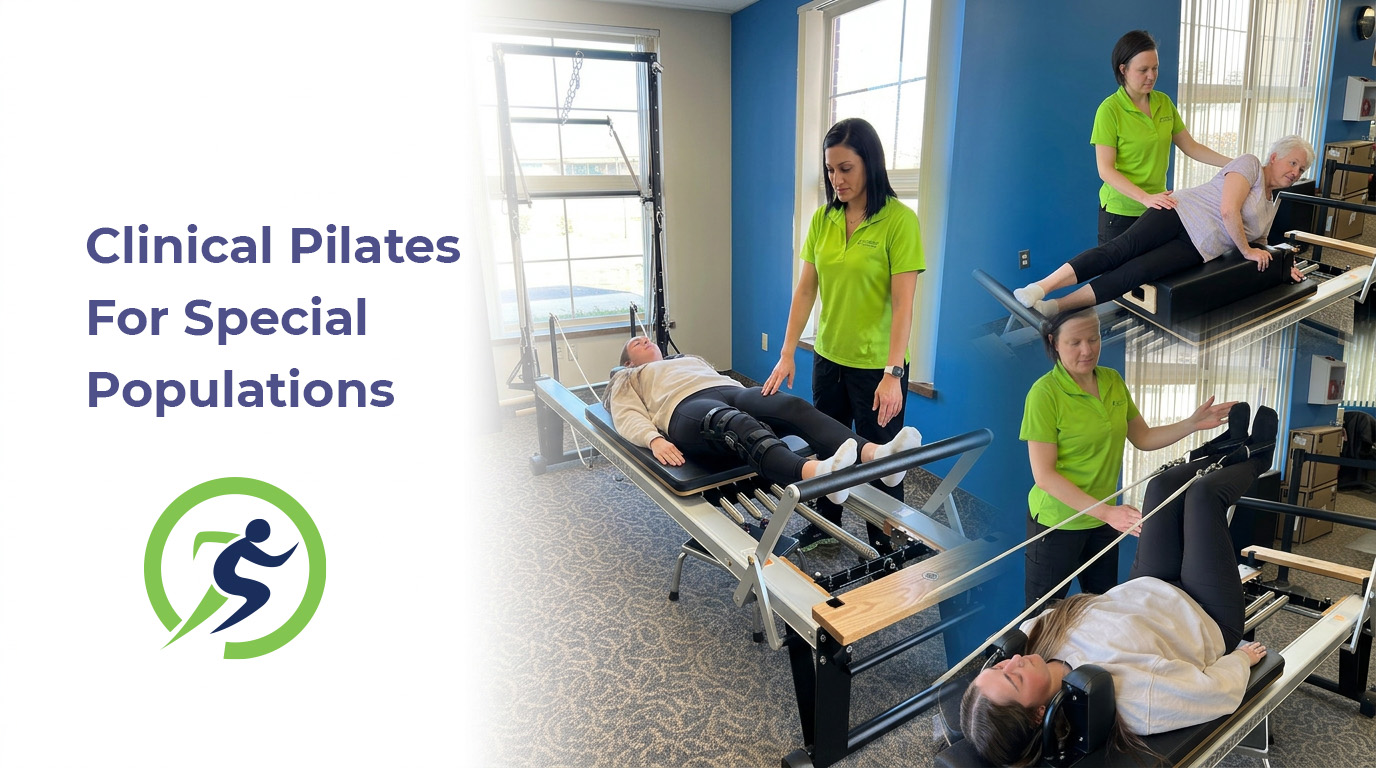
Clinical Pilates may benefit individuals who:
- Are recovering from surgery or injury
- Have chronic back, neck, or joint pain
- Want to improve balance and reduce fall risk
- Have osteoporosis or osteopenia
- Are pregnant or recovering after childbirth
- Have neurological conditions affecting movement
- Want to safely improve strength, flexibility, and mobility
Before standing, try a short mobility routine:
- Gently point and flex the ankle 10 to 15 times.
- Circle the ankle in both directions.
- Pull the toes back lightly to stretch the arch.
- Massage the bottom of the foot for 30 to 60 seconds.
- Put on supportive shoes or sandals before walking on hard floors.
This routine may reduce the sudden load that often causes morning heel pain.
Consider professional evaluation if heel pain is severe, lasts more than a few weeks, keeps returning, affects your ability to walk, or does not improve with basic self-care. Seek prompt care if pain follows an injury, you cannot bear weight, you have significant swelling, numbness, tingling, fever, redness, or pain in both feet with other concerning symptoms. A clinician can confirm whether plantar fasciitis is the likely cause and help rule out other problems.
A simple at-home routine may include gentle morning stretching, calf mobility work, supportive footwear, cold rolling after activity, and progressive strengthening every other day. Keep the routine realistic so you can repeat it consistently. If symptoms flare, scale back intensity rather than quitting completely. The most effective foot pain relief plan is usually the one that matches your symptoms, daily demands, and long-term activity goals.
Night splints hold the foot in a position that keeps the plantar fascia and Achilles tendon lengthened while you sleep. They may be helpful for people with strong first-step pain in the morning. Clinical practice guidance recommends a one- to three-month night splint program for people who consistently have morning first-step pain. (orthopt.org) Some people need time to get used to wearing one, so comfort and fit matter.
Plantar fasciitis can linger when the tissue is repeatedly overloaded before it has adapted. Common reasons include tight calves, sudden increases in walking or running, unsupportive shoes, long hours on hard floors, limited ankle mobility, inadequate recovery, or stopping exercises as soon as pain improves. A good plan addresses the root contributors instead of only treating pain. If symptoms are not improving, your therapist may reassess strength, mobility, footwear, training volume, and whether another condition could be involved.
Orthotics may help distribute pressure more evenly and support the arch, especially when paired with stretching, strengthening, and footwear changes. Some people do well with over-the-counter inserts, while others may need a more customized option. However, inserts alone are rarely the whole solution. A physical therapist can help determine whether your symptoms are more related to arch support, calf tightness, training load, footwear wear, or movement patterns.
Foot taping can offer short-term support by helping control strain through the arch and heel. It may be especially useful during a painful phase, before a long work shift, or while transitioning into better footwear or orthotics. Clinical guidance supports rigid or elastic taping when used together with other physical therapy treatments for short-term improvements in pain and function. (orthopt.org) Taping is not usually a stand-alone cure, and skin irritation is possible, so remove tape if itching, redness, or blistering develops.
Manual therapy includes hands-on techniques designed to improve joint motion, soft tissue mobility, and overall function. For plantar fasciitis, a therapist may work on the foot, ankle, calf, or other parts of the lower extremity if stiffness or movement limitations are contributing to excessive strain. Manual therapy is usually most effective as part of a larger plan that includes exercise, education, and gradual return to activity.
The most common stretching exercises target both the bottom of the foot and the back of the lower leg. A seated plantar fascia stretch involves crossing the affected foot over the opposite knee, gently pulling the toes back toward the shin, and feeling for tension along the arch. A wall calf stretch targets the gastrocnemius with the back knee straight, while a bent-knee variation targets the soleus. These stretches should feel firm but tolerable, not sharp or forceful.
AAOS describes a seated plantar fascia stretch held for 10 seconds and repeated multiple times, and also notes that physical therapy programs often focus on stretching the calf muscles and plantar fascia. (orthoinfo.aaos.org)



Leave A Comment